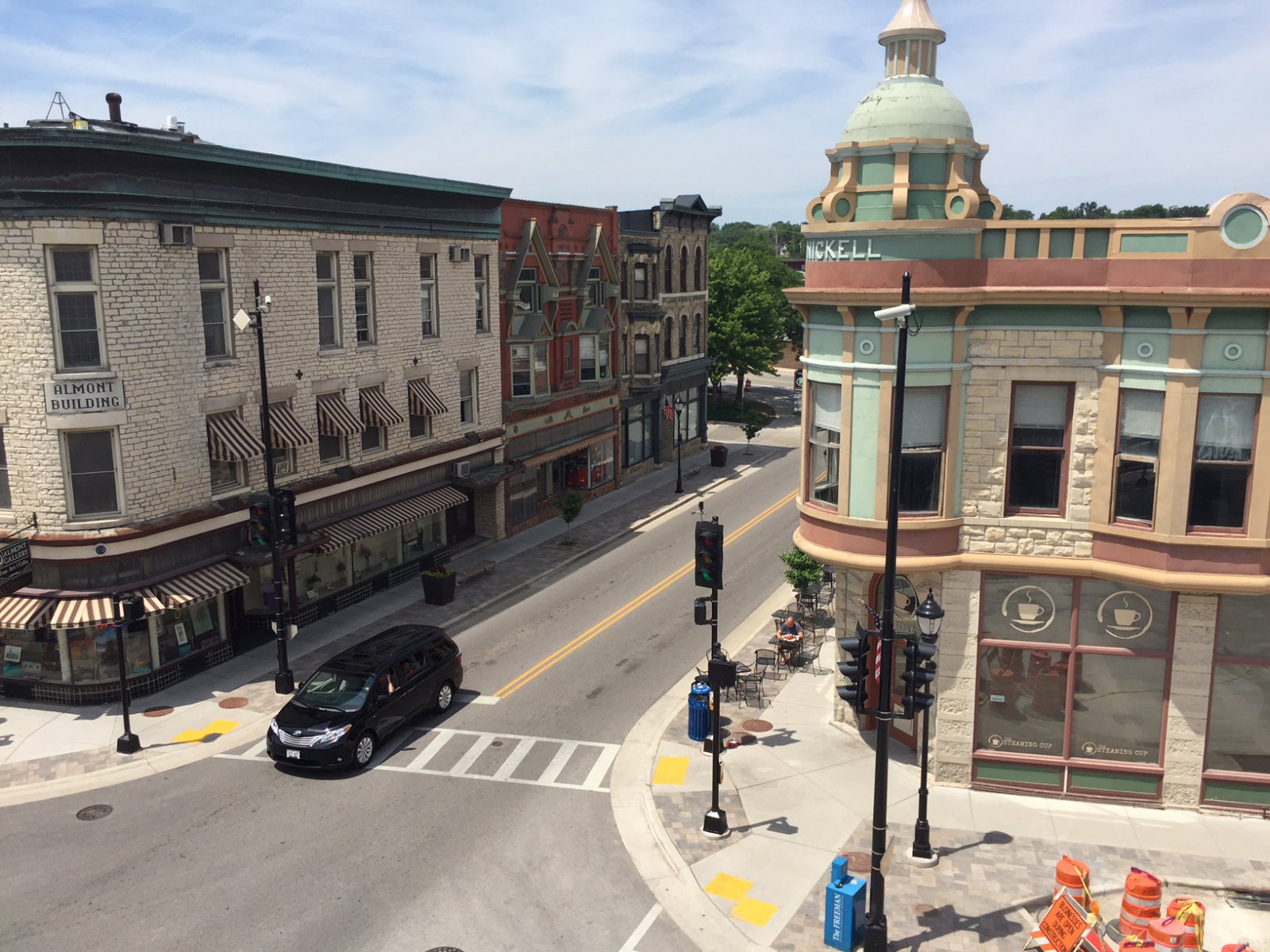
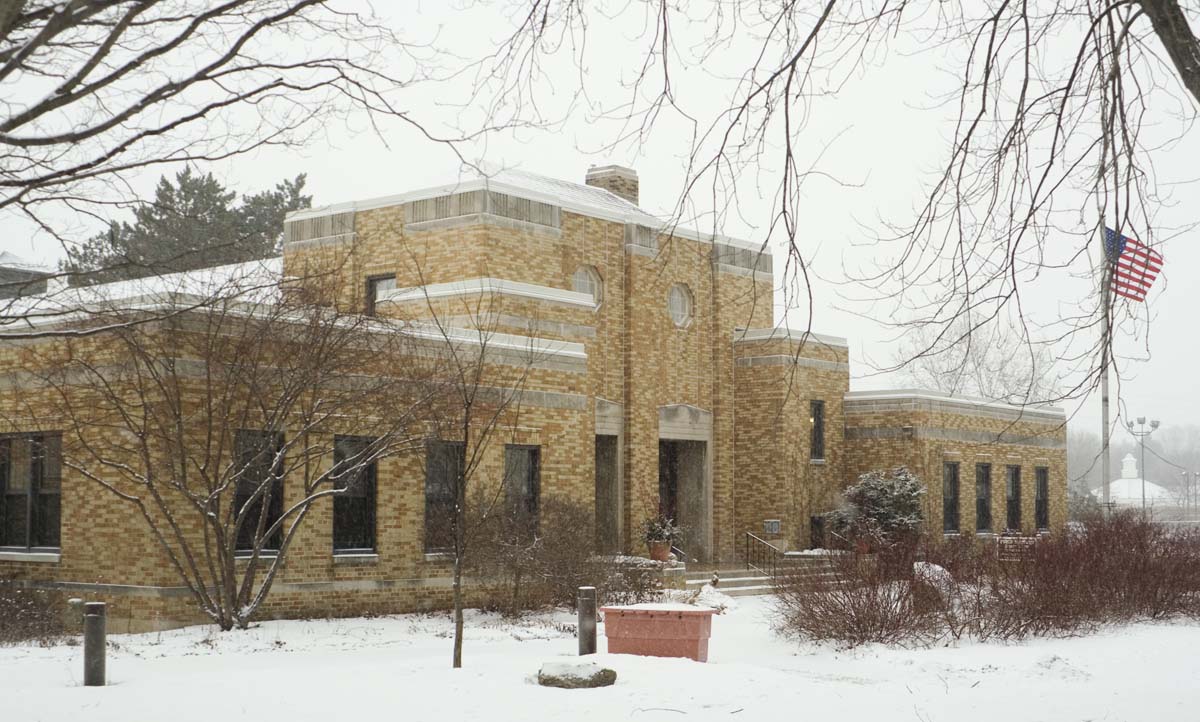
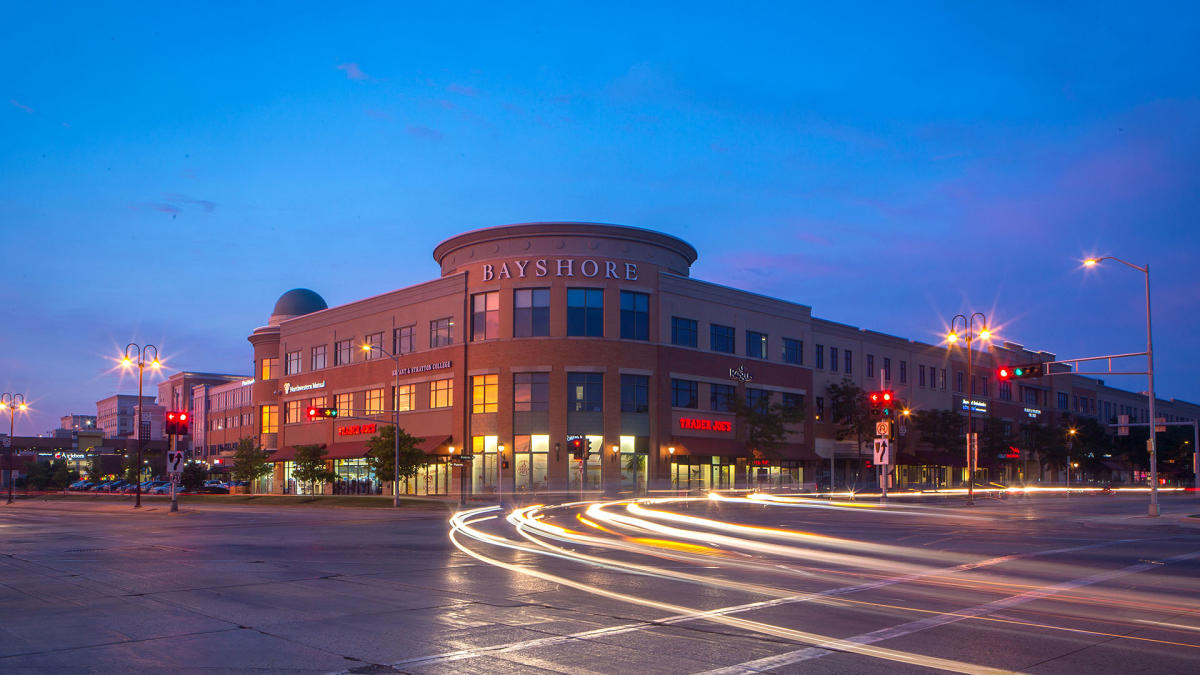
Brookfield anchors the western edge of the Milwaukee metro along I-94, and its commercial stock is dominated by corporate office parks, regional retail near Brookfield Square, and single-tenant net lease buildings along Bluemound Road. An exchange out of Brookfield property tends to hinge on how the building's structural systems compare to newer suburban construction elsewhere in the search area.
Bluemound Road and the Corporate Office Base
Brookfield's office stock runs from 1980s low-rise buildings with exterior insulation finish systems to newer Class A towers with curtain-wall glazing and centralized VAV mechanical systems. The age gap matters for an exchange: older Brookfield buildings often carry original rooftop units nearing the end of their service life, while newer stock has digital building management systems that reduce operating surprises for a buyer's lender.
Regional retail near the mall and along Bluemound Road adds a second layer to the local stock, with anchor-adjacent pad sites and inline space that trade on different underwriting than office. A seller comparing a Brookfield office building against a retail replacement candidate should treat those mechanical and structural differences as part of the diligence file, not an afterthought handled after identification.
What a Brookfield Replacement Search Typically Covers
Investors exiting Brookfield property generally screen a consistent set of asset types when building a replacement list:
- suburban Class A and B office buildings
- net lease retail pads near regional shopping centers
- medical office buildings with dedicated HVAC zoning
- light industrial flex space near the interstate
- multi-tenant retail strips with anchor exposure
Each type carries a different roof and mechanical replacement schedule, and a Brookfield seller should factor that into the identification list rather than ranking candidates on location alone.
Specification Questions That Belong in Office Diligence
Before a Brookfield office building enters a 1031 identification list, a seller's team should confirm roof membrane type and remaining warranty term, rooftop unit tonnage against current occupancy, and whether the curtain wall or EIFS envelope has documented sealant maintenance. These specifications influence a lender's property condition report on the replacement side and can affect financing terms even when the exchange itself is straightforward under the like-kind rules.
The three-property rule allows an investor to identify up to three replacement candidates regardless of value, which gives a Brookfield seller room to carry one office building, one retail pad, and one net lease candidate through the 45-day window while the physical review on each is finalized.
Financing Considerations for Suburban Class A and B Stock
Lenders active in Brookfield tend to price Class A office and net lease retail differently than Class B office with older mechanical systems, and a seller should confirm which bucket a target replacement property falls into before assuming financing terms will match the relinquished property. If the replacement purchase involves less debt than was paid off on the Brookfield property, the difference is generally treated as boot unless offset with additional cash into the deal.
Sequencing the Identification With Retail and Office Candidates
A Brookfield exchange file benefits from sequencing: confirm the relinquished property's closing date and debt payoff first, then run physical and financial diligence on office and retail candidates in parallel, and hand the qualified intermediary a written identification list before day forty-five rather than after preliminary terms are worked out with a single seller. That order keeps the 180-day closing period from being compressed by late-stage renegotiation.
Brookfield's office and retail stock also turns over often enough that a seller's broker should keep a running list of candidates near the mall and along Bluemound Road even before the relinquished property is under contract, so the identification window opens with real options already vetted rather than a cold search. That head start matters most when a preferred office candidate needs a backup, since a rushed replacement late in the 180-day period rarely gets the same mechanical and roof review as one selected with time to spare.
Common 1031 Exchange Questions
Can a Brookfield office owner exchange into retail property instead?
Yes. Real property held for investment or business use is broadly like-kind to other real property, so a Brookfield office owner can move into retail, industrial, or another commercial category. The physical differences between the two asset types affect financing and diligence, not eligibility.
How many replacement properties can a Brookfield seller identify?
Under the three-property rule, an investor may identify up to three replacement candidates without regard to their combined value. Investors who want to identify more than three generally rely on the 200 percent rule, which caps combined value instead of count, or the 95 percent rule if more are named.
What should a Brookfield seller check before naming an office building as replacement property?
Roof membrane condition and remaining warranty, rooftop unit age relative to occupied square footage, and envelope maintenance records are worth confirming early, since these affect a lender's property condition assessment and can slow closing if discovered late.
Does financing on a Brookfield replacement property need to match the relinquished loan?
Not exactly, but if the new loan amount is lower than the debt paid off on the relinquished property, the shortfall is generally treated as boot unless it is offset with additional cash invested in the replacement purchase. A tax advisor should review the specific figures.
How long does a Brookfield investor have to close on a replacement property?
The exchange period runs 180 days from the closing of the relinquished property, running concurrently with the 45-day identification window rather than starting after it. Both deadlines are fixed regardless of financing or inspection delays.