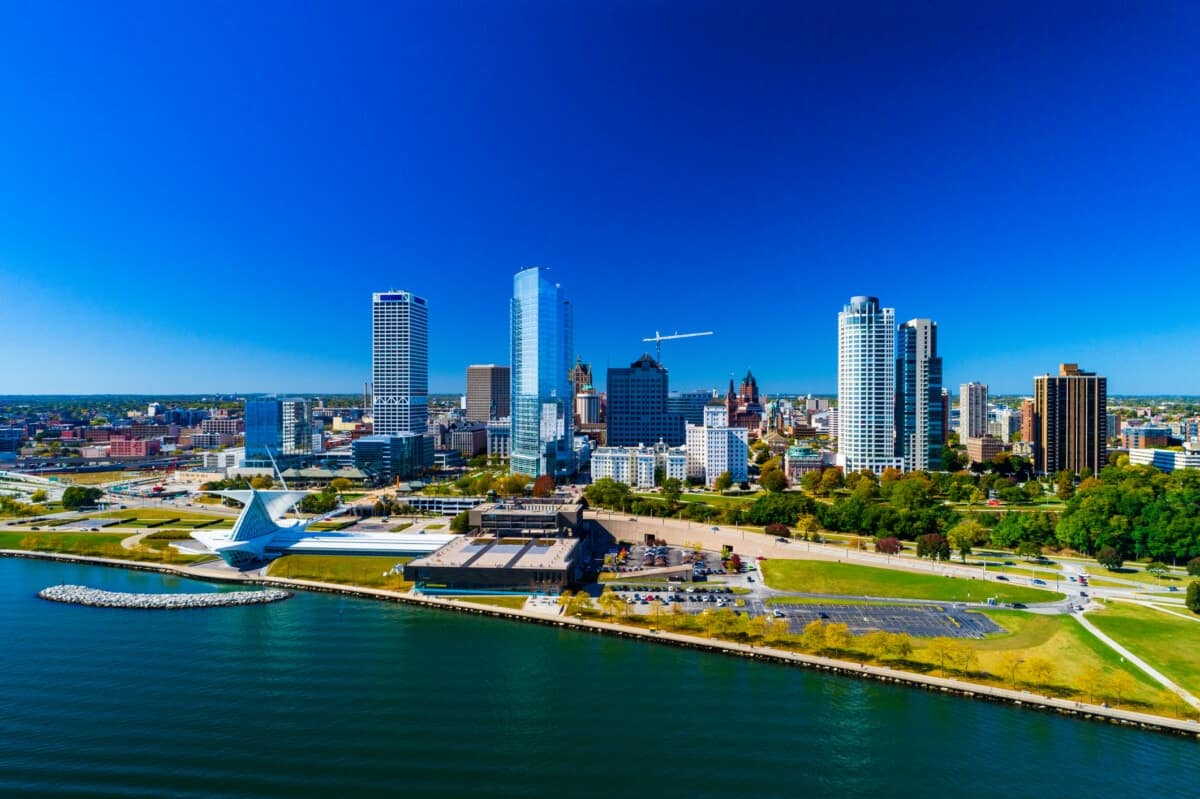
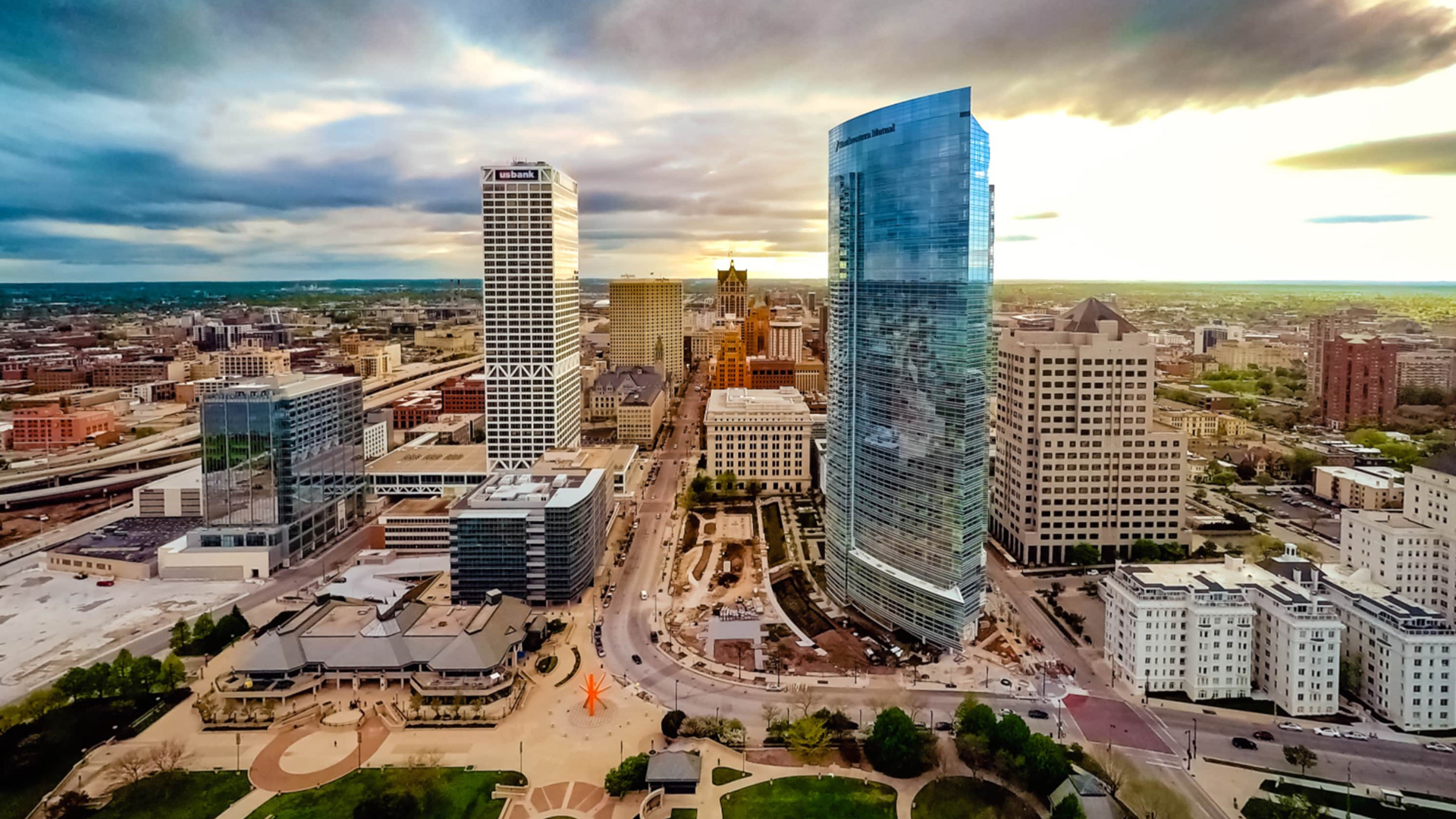
The 180-day exchange period starts the day the relinquished property closes and runs on calendar days, not business days, whether the replacement acquisition is a Menomonee Valley manufacturing building or a converted brewery loft in Walker's Point. Coordination through the closing stretch means holding financing, title curative work, and qualified intermediary paperwork on one shared timeline instead of letting each track drift on its own schedule.
Closing on Older Milwaukee Building Stock
Much of the industrial and adaptive-reuse inventory investors chase in Milwaukee predates modern environmental recordkeeping, which means Phase I reports on Menomonee Valley parcels or century-old brewery buildings near the Historic Third Ward can surface recognized environmental conditions late in diligence. A title company unfamiliar with a specific property's chain of ownership can also slow curative work on buildings that changed hands through decades of industrial use before conversion to residential or mixed-use.
Closing coordination front-loads these questions rather than discovering them in week fourteen of a 180-day clock, sequencing environmental consultants, structural engineers, and title examiners so their findings land while there is still time to respond.
The Sequence That Actually Determines a Closing Date
Four workstreams typically gate a Milwaukee replacement closing, and none of them move at the speed of the others by default.
- lender underwriting and appraisal on the replacement asset
- title examination and clearance of any recorded exceptions
- property condition and environmental diligence
- qualified intermediary wire instructions and exchange agreement assignment
Coordination means tracking which of these four is currently the slowest and directing attention there instead of treating all four as equally urgent every week.
Financing Timelines on Adaptive Reuse and Industrial Assets
Lenders underwriting a converted brewery building or a Menomonee Valley industrial property often require more time than a stabilized suburban asset because appraisal comparables are thinner and loan committees ask more questions about deferred maintenance, roof condition, and code compliance in older structures. A replacement property identified in week three can still miss the 180-day deadline if lender committee timing is not confirmed early and built into the closing calendar rather than assumed.
Where the Calendar Gets Lost
The most common failure is not any single delay but the accumulation of small ones: a title exception that takes two weeks to research, a lender condition that surfaces after the appraisal, a contractor bid needed before an insurer will quote coverage on an older roof. Each is minor on its own. Together, unmanaged, they can consume the back half of the exchange period. Keeping a dated milestone log from day one, with named owners for each open item, keeps the closing on a path to complete inside the window rather than against it.
A weekly review of that log, rather than a monthly check-in, tends to catch drift while there is still room to correct it. An investor closing on a Menomonee Valley building alongside a Third Ward acquisition benefits from tracking both files side by side, since a delay on one can sometimes be absorbed by getting ahead on the other, but only if someone is watching both calendars at once rather than reacting to whichever one raises an alarm first.
The Role of the Closing Attorney in the Final Stretch
A closing attorney familiar with Milwaukee title practice can often anticipate which recorded exceptions on an older industrial or brewery-district parcel are routine and which require real curative work, which saves days compared to a generalist unfamiliar with the local recording history. Bringing that attorney into the file early, rather than only at the point of scheduling final settlement, gives them time to flag problems while the calendar still has slack to absorb them.
The same logic applies to a port or harbor district acquisition, where municipal review layered on top of standard title work can add an extra step that a generalist attorney may not anticipate until it has already cost several days off the calendar.
Common 1031 Exchange Questions
Does the 180-day period ever get extended for a Milwaukee property with title issues?
Generally no. Disaster relief extensions exist in limited federal declarations, but ordinary title curative work, financing delays, or slow environmental review do not extend the 180-day period. That is why closing coordination front-loads these checks rather than treating them as routine paperwork.
What happens if financing on the replacement property falls through late in the window?
A backup identified property or a backup lender relationship should already exist by the time this happens, which is why lender preflight work earlier in the exchange matters. Waiting until financing fails to start a second conversation usually leaves too little runway.
Why do older Milwaukee industrial buildings take longer to close than suburban assets?
Title chains on parcels used by manufacturing for decades often carry more recorded easements, prior liens, and boundary questions, and environmental consultants may need more time to review historical use before issuing a clean Phase I letter. Building in extra review time for these properties from the start avoids a late surprise.
Who tracks the closing calendar once the qualified intermediary has funds in escrow?
The investor's team, working with the closing attorney and QI, should maintain the milestone log through final settlement. The QI holds funds and follows exchange instructions, but does not independently chase title, lender, or inspection deadlines on the investor's behalf.
Can two properties close on different dates within the same 180-day exchange?
Yes, when more than one replacement property was identified and both are being acquired, each has its own closing date but both must fall within the same 180-day period measured from the relinquished sale.