Milwaukee's investment stock runs from cream city brick warehouses along the river to single-story plants on the north side manufacturing corridor and newer flex buildings out in Menomonee Valley. An exchange that starts inside city limits usually comes down to matching a relinquished building's structural condition against a shorter list of properties that can carry a comparable tenant load and pass a lender's inspection.
Building Stock Inside City Limits
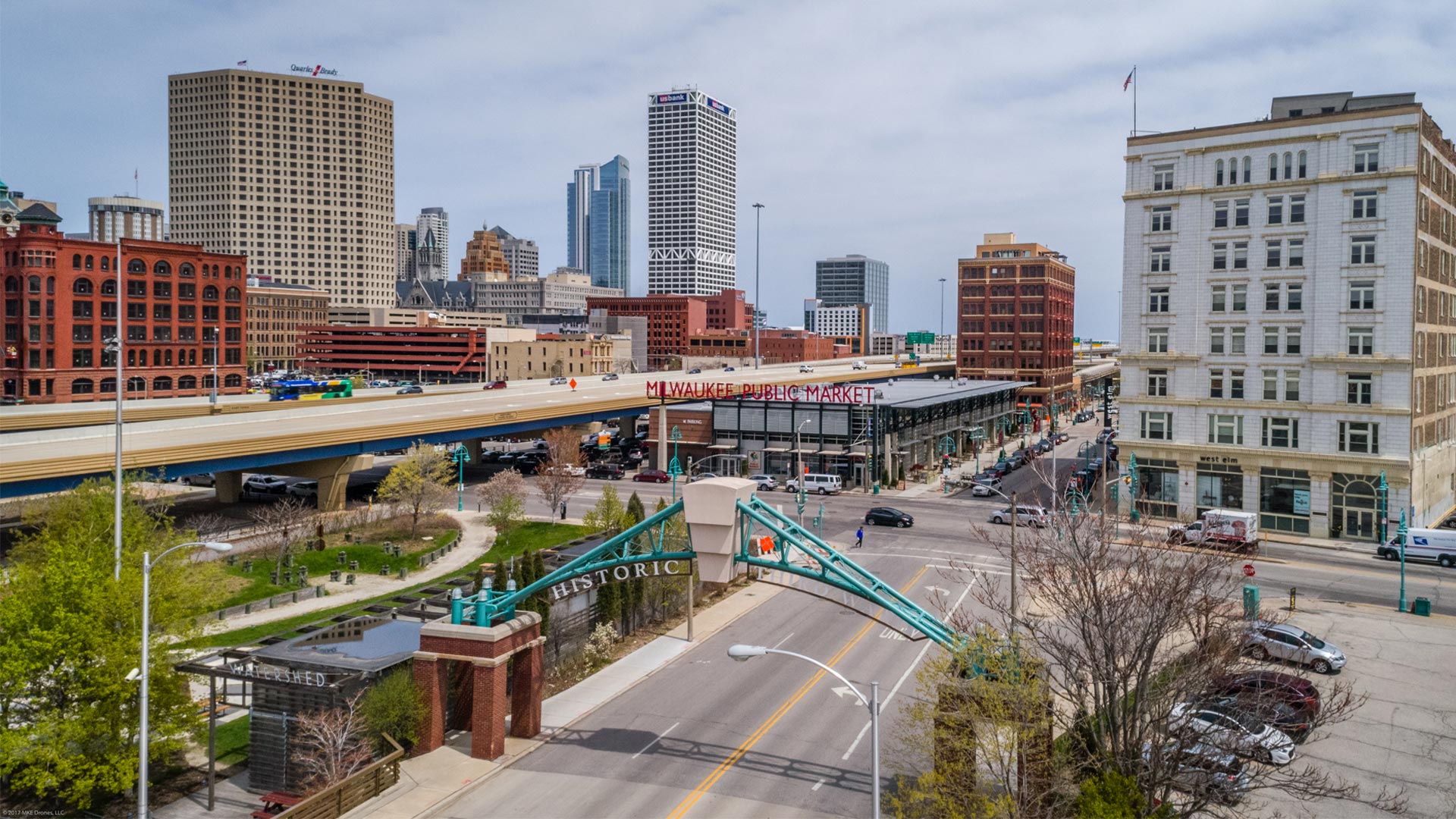
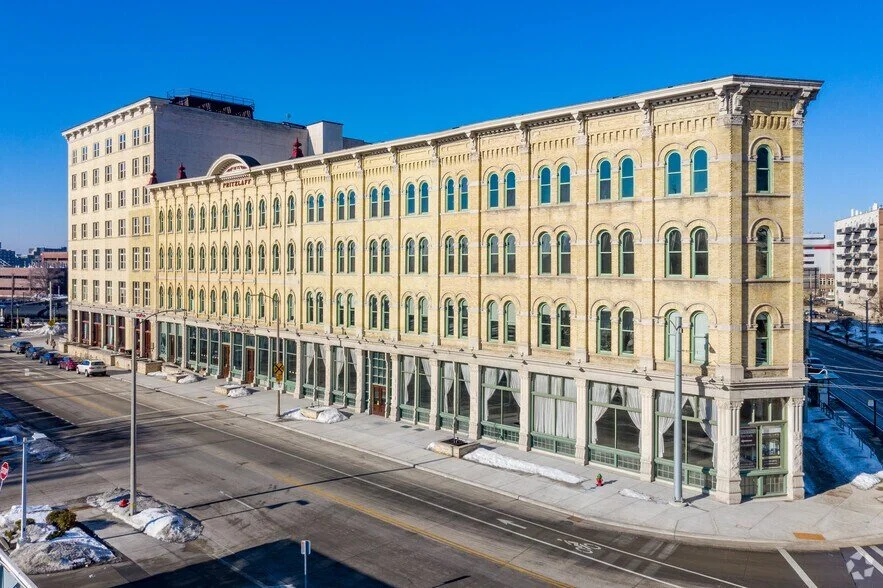
Downtown and the near east side still carry pre-1930 masonry office and mixed-use buildings, many converted from earlier manufacturing or warehouse use, with load-bearing brick walls, heavy timber framing, and roof structures that were never engineered for the rooftop mechanical equipment common in current retrofits. The 30th Street industrial corridor and scattered pockets of the north side hold single-story manufacturing buildings built between 1900 and 1960, several with monitor roofs, crane rail systems, and masonry party walls shared with the parcel next door.
Menomonee Valley reads differently. Redevelopment there over the past two decades replaced older rail-served industrial parcels with lower-clear-height, pre-engineered metal buildings built to current code, which changes what a replacement buyer can finance and insure compared with the older stock a few blocks away in either direction.
The Wisconsin Avenue institutional corridor and pockets of Bronzeville carry a third profile again: early-to-mid-century office and mixed-use buildings that have gone through partial modernization, with newer HVAC and electrical work layered into an older masonry shell rather than a full gut renovation. That partial-upgrade pattern means two buildings on the same block can carry very different mechanical ages even though their exteriors look similar from the street.
Property Types on a City Identification List
A Milwaukee list usually pulls from a narrow set of categories rather than the full spread of product available once an investor looks past the city line.
- older masonry mixed-use with ground-floor retail and apartments above
- single-story manufacturing buildings on the north side corridor
- rail-served industrial parcels in Menomonee Valley
- small multifamily conversions near the lakefront and university corridor
- medical office along the Wisconsin Avenue institutional spine
Condition Review Before the Written Identification
Older Milwaukee buildings raise questions a newer suburban building usually does not. Roof membrane age, masonry tuck-pointing condition, and whether a structure was ever assessed for mezzanine or rooftop equipment loading all affect what a lender will underwrite and what an insurer will quote before the 45-day identification window closes.
We push those questions earlier in the file rather than later, so the written identification names buildings that can actually close instead of buildings that look right on paper and then stall once the lender's property condition report comes back.
Insurance replacement cost is its own separate question on older city buildings, since a policy written against current construction cost rarely matches what it would actually cost to rebuild a masonry structure with matching materials and detailing, and we flag that gap before an investor relies on a stated replacement cost figure during underwriting.
Lining Up the City Closing Team
A city exchange usually touches more parties than a straightforward suburban trade: the qualified intermediary holding exchange funds, a lender comfortable financing an older masonry structure, an insurer willing to quote replacement cost on a building built before current code, and a tax advisor confirming the exchange structure fits the investor's broader filing position. We keep those parties working from the same document set so the 180-day exchange period does not get consumed by conflicting property condition reports arriving at different times.
Where City Stock Differs From the Suburban Ring
Investors coming out of newer suburban product sometimes underestimate how much older building stock changes the diligence timeline. A pre-engineered metal building further west can usually be underwritten from a standard property condition report inside a week or two. A century-old warehouse near the river typically needs a structural engineer's opinion on load capacity before financing terms firm up, which pulls that work earlier into the identification window instead of after the deadline has already passed.
Title and permit history also run deeper on older city parcels, since decades of ownership changes and partial renovations can leave gaps in the permit record that a title company or municipal building inspector needs time to reconcile, which is another reason we prefer surfacing that research inside the 45-day window rather than after.
Common 1031 Exchange Questions
Does an older Milwaukee warehouse need a structural review before it goes on the identification list?
Not always, but any building carrying rooftop mechanical loads it was not originally engineered for should get a structural opinion before the 45-day window closes, so financing terms are not still in question when the written identification is due.
Can a Menomonee Valley industrial building satisfy the same identification as a north side manufacturing site?
Sometimes, depending on whether the investor is matching value and debt levels or matching operating characteristics like clear height and rail access. We review both angles before either property goes on the list.
How does building age affect the 180-day exchange period on a city purchase?
Older buildings often need a longer lender review because of property condition and insurance underwriting, so we try to get engineering and insurance input started inside the identification window rather than waiting until financing is already committed.
Who should look at a masonry mixed-use building before we identify it?
We recommend an engineer familiar with unreinforced masonry alongside the lender's own inspector, since financing terms and insurance premiums both depend on that opinion, and we coordinate that review with the qualified intermediary and tax advisor.
Is a north side manufacturing building harder to finance than newer flex space in the Valley?
Often, mainly because of age and single-purpose layout rather than location. We flag that financing risk early so it does not surface for the first time after the identification deadline has already passed.