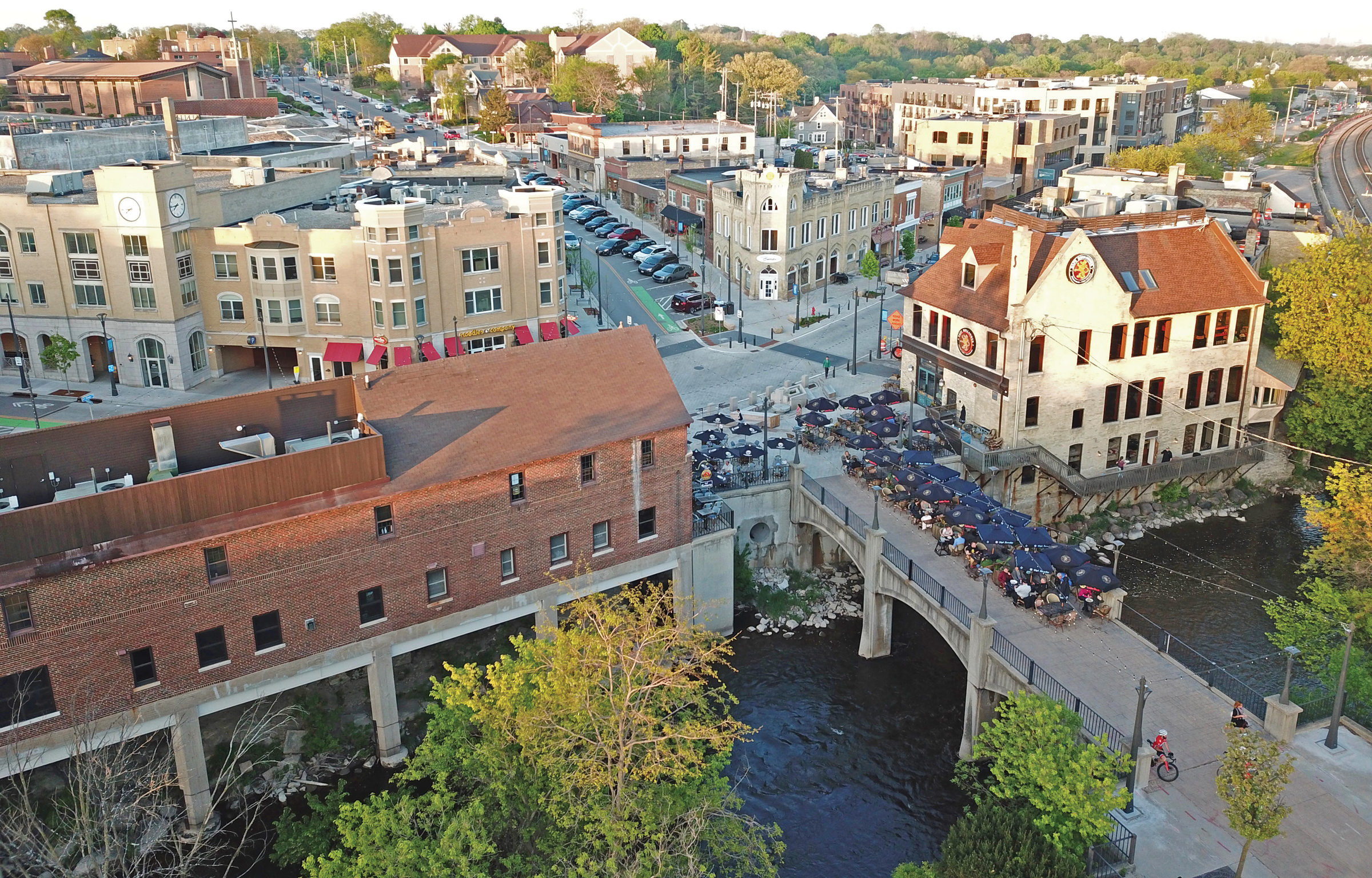
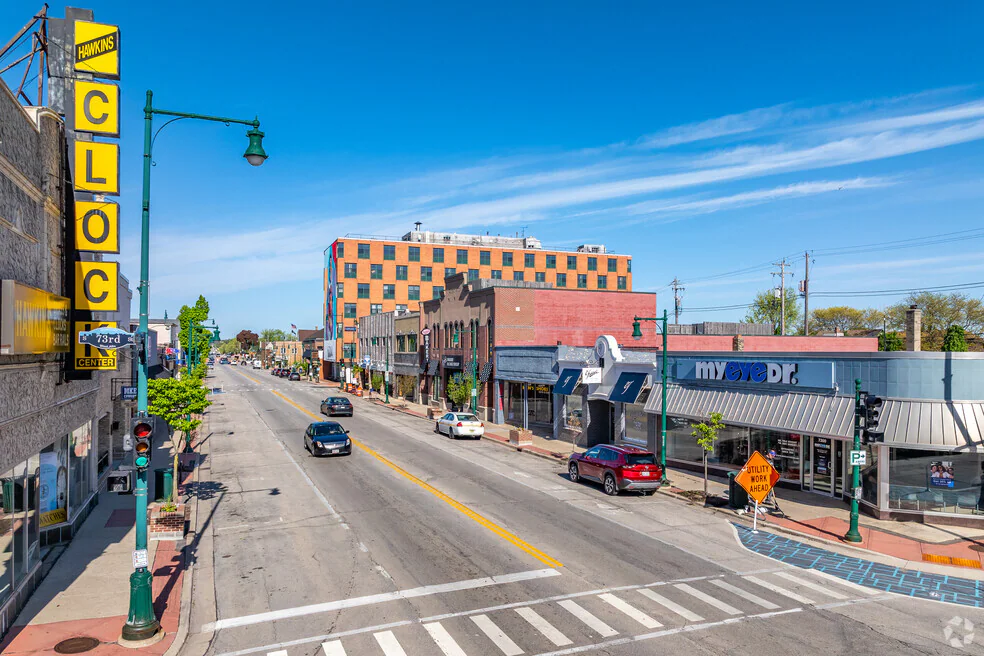
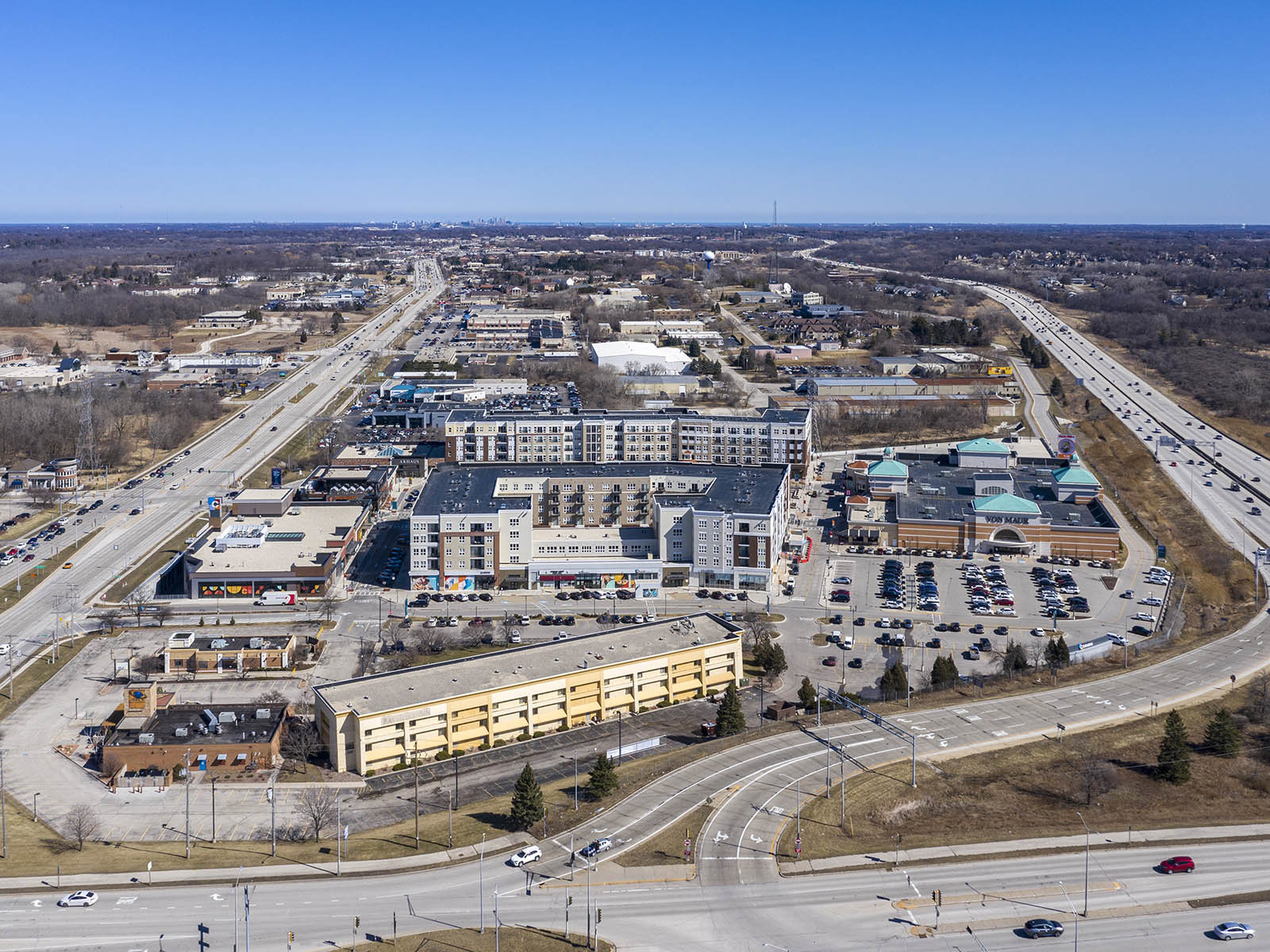
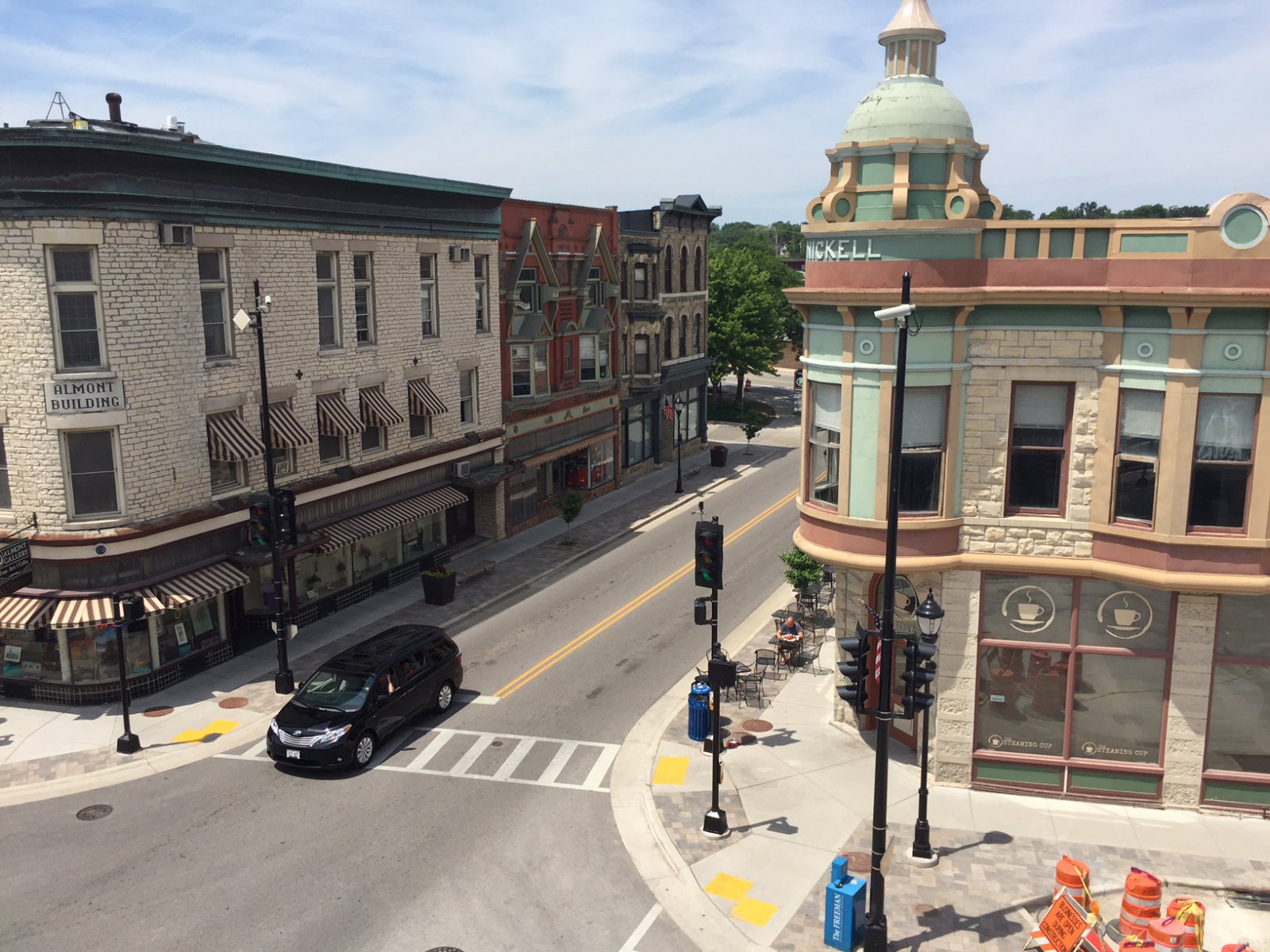
Bay View sits on Milwaukee's south side along Lake Michigan, and the building stock reflects its industrial past: brick storefronts on Kinnickinnic Avenue, timber-joist mixed-use blocks, and small multifamily converted from older duplex and rooming-house frames. An exchange out of Bay View usually starts with an honest read of the relinquished building's assemblies before a replacement search gets narrowed.
The KK Avenue Corridor's Building Stock
Kinnickinnic Avenue carries most of Bay View's neighborhood commercial activity, and the buildings along it are mostly two- and three-story masonry structures from the early twentieth century, with retail on the ground floor and apartments or offices above. Bearing walls are unreinforced brick in a large share of this stock, which affects both insurance underwriting and any lender's appraisal on a replacement candidate.
Roof assemblies on these buildings are typically low-slope built-up or modified bitumen over plank decking, often re-covered rather than replaced down to the deck. A seller moving out of a Bay View building should have current information on roof age, parapet flashing condition, and any prior water intrusion, because that record carries weight when a buyer's lender orders a property condition assessment on the relinquished side or a replacement candidate elsewhere.
Property Types Circulating Through Bay View Exchanges
Investors selling out of Bay View property typically look at replacement candidates across a narrow set of asset types that share similar management intensity:
- small multifamily buildings of four to twelve units
- ground-floor retail with apartments above
- converted industrial or warehouse space with exposed timber framing
- single-tenant restaurant or service buildings with parking
- rowhouse-style rental portfolios
Each of these carries a different maintenance profile, and a Bay View seller comparing them against a replacement property should weigh roof and envelope condition alongside rent roll strength rather than treating the neighborhood label as a substitute for that review.
Reading Older Structures Before They Enter an Identification List
Because so much of Bay View's stock predates modern building codes, a seller's team should confirm what has actually been upgraded versus cosmetically refreshed. Electrical service size, knob-and-tube remnants, cast-iron waste lines, and boiler-based heat are common findings in buildings that otherwise show well. None of that disqualifies a property from serving as relinquished or replacement property in a 1031 exchange, since the like-kind standard for real property is broad, but it does affect financing terms and should be documented before the 45-day identification window closes.
A qualified intermediary does not evaluate physical condition, so that work falls to the investor, their broker, and any contractor or engineer they bring in. Getting a structural and mechanical snapshot in writing early gives the file something concrete to hand to a lender once a replacement candidate is under contract.
Financing and Closing Notes for Small Bay View Assets
Smaller Bay View buildings often trade in a price range where local and regional lenders are more active than large institutional capital, and those lenders tend to ask pointed questions about deferred maintenance, occupancy history, and whether prior renovation work pulled permits. A seller carrying debt on the relinquished property should confirm payoff figures early, since any cash or debt-relief boot that is not offset in the replacement purchase can create a taxable event even when the exchange otherwise qualifies.
Coordinating the File With the Intermediary and Lender
A Bay View exchange file works best when the qualified intermediary, the investor's tax advisor, and any lender on the replacement side are working from the same documentation: a summary of the relinquished building's assemblies and condition, a rent roll, and a short list of replacement candidates with enough physical detail to support underwriting. That coordination matters more in Bay View than in newer submarkets, because building age adds variables that a generic identification memo will not capture.
Common 1031 Exchange Questions
Does an older Bay View building's condition affect whether it qualifies as relinquished property?
No. Physical condition does not affect whether real property qualifies as like-kind under a 1031 exchange. It does affect financing, insurance, and pricing on both the relinquished and replacement side, so investors should document known issues early rather than let them surface during a lender's review.
Can a Bay View investor replace a mixed-use building with a different asset type?
Yes. Like-kind treatment for real property is broad, so a Bay View owner can move from mixed-use retail into multifamily, industrial, or another commercial category as long as both properties are held for investment or business use. A tax advisor should confirm the specifics for the investor's situation.
How does debt on a Bay View relinquished property affect the exchange?
If the debt paid off at closing is not replaced with equal or greater debt, or offset with additional cash, on the replacement property, the difference is generally treated as boot and can create taxable gain. Reviewing payoff figures with the qualified intermediary before identification helps avoid surprises.
What is the timeline for identifying replacement property after selling in Bay View?
An investor has 45 days from the closing of the relinquished Bay View property to identify replacement candidates in writing to the qualified intermediary, and 180 days total to close on the replacement purchase. Both deadlines run concurrently and are not extended for financing delays.
Should a structural review happen before or after identification?
Ideally before. Once a property is named on the 45-day identification list, an investor's flexibility narrows, so confirming roof, structural, and mechanical condition during the search phase reduces the chance of a late surprise that complicates closing inside the 180-day window.