Wauwatosa's commercial identity runs through the Milwaukee Regional Medical Center campus, the concentration of Froedtert Hospital, Children's Wisconsin, and the Medical College of Wisconsin that makes medical office building specification the defining building-science question for almost any exchange here.
Medical Office Construction Around the Regional Medical Center
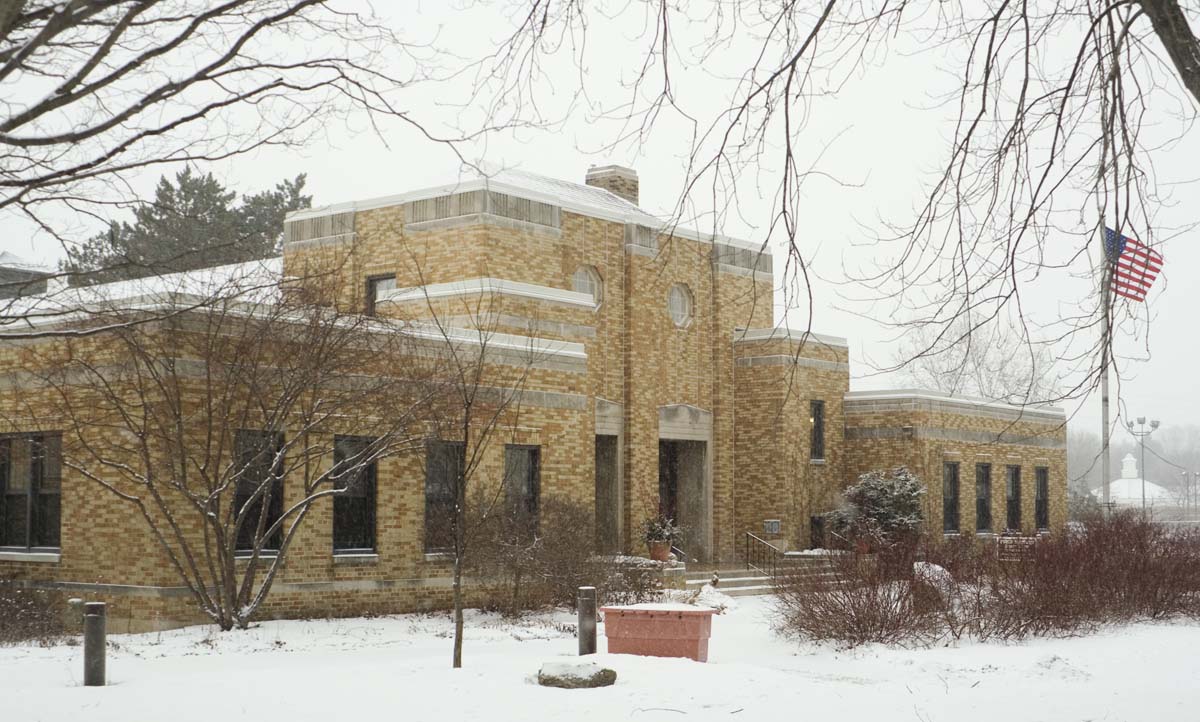
Buildings serving the medical center campus and its surrounding medical office corridor are typically built or retrofitted with reinforced floor framing to support imaging equipment, dedicated electrical service for MRI and CT suites, and plumbing systems sized for higher water demand than a standard office tenant needs, specifications that carry real value if the current tenant renews but that can complicate re-tenanting if a lease turns over to a non-medical use.
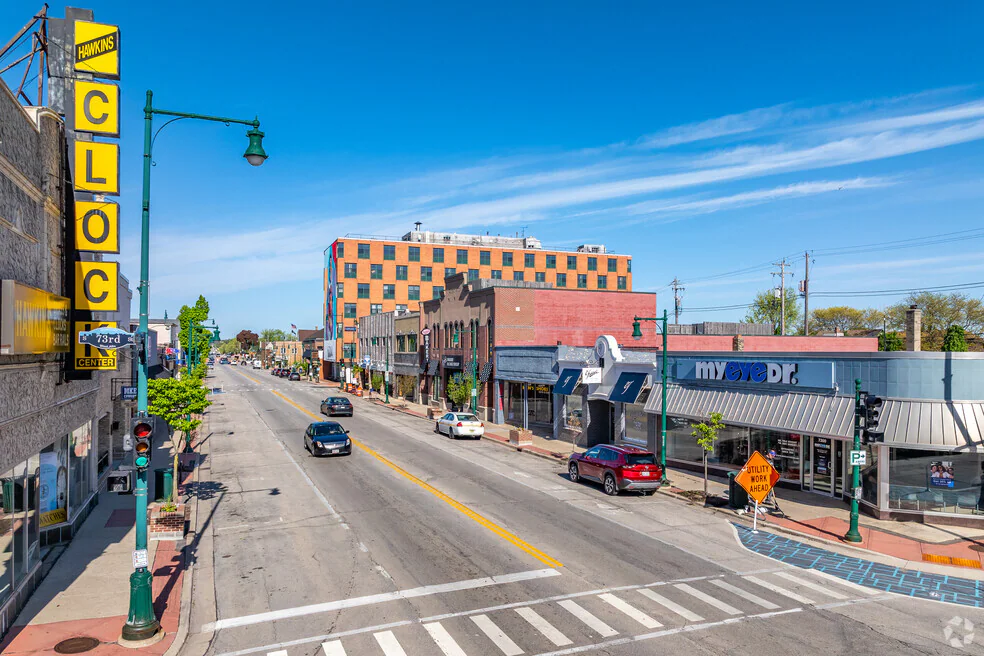
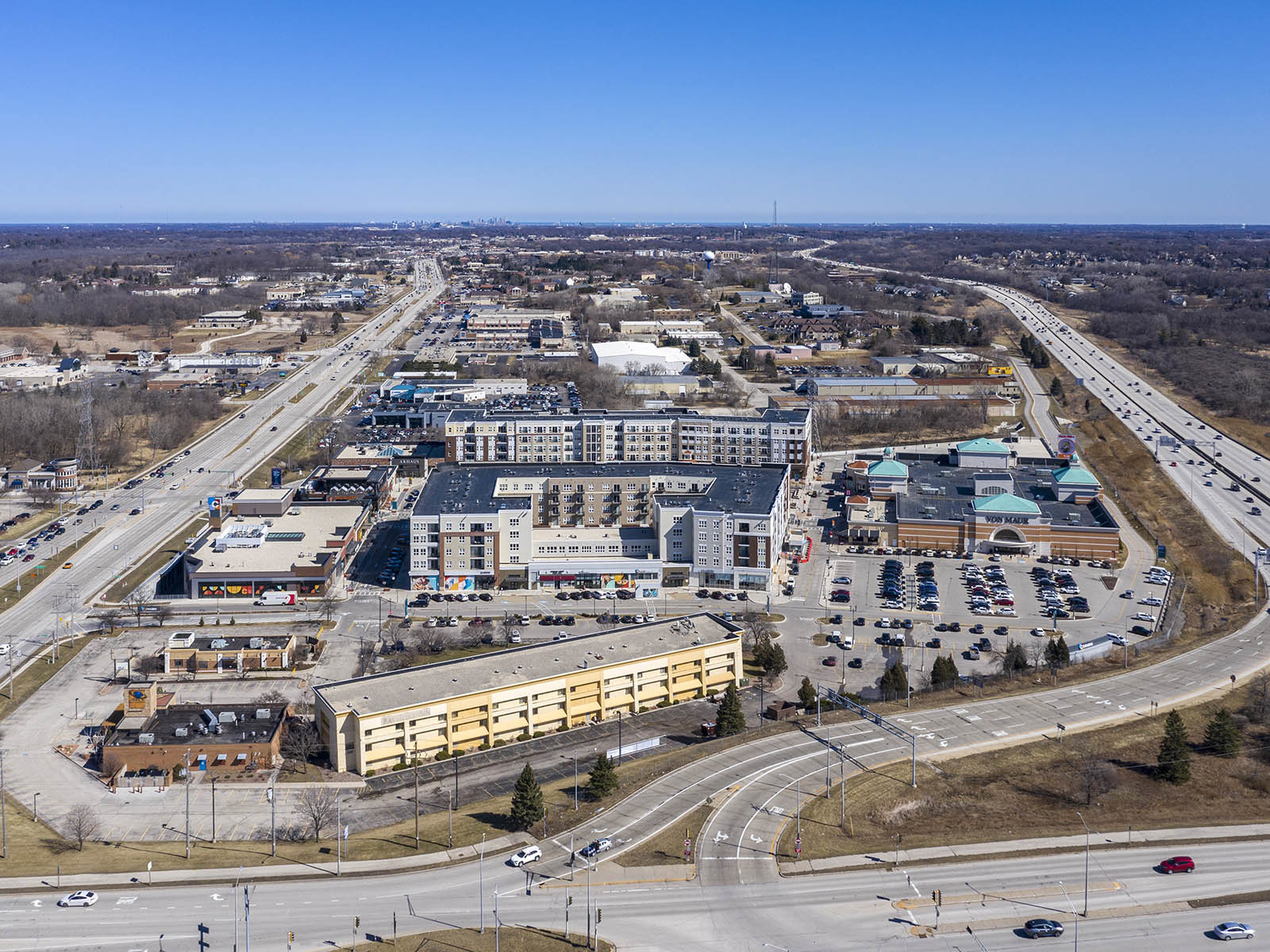
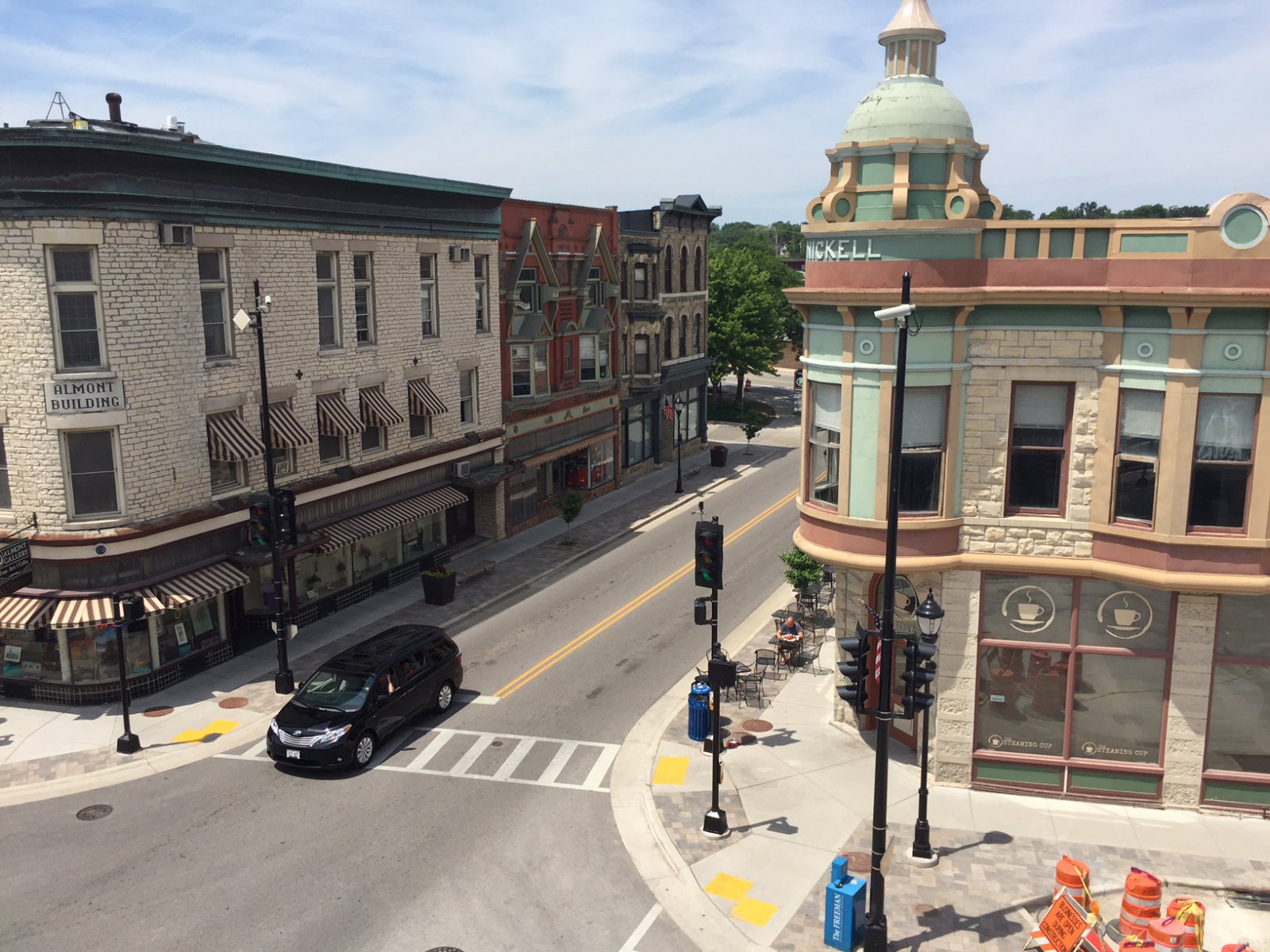
Away from the medical corridor, the historic Village of Wauwatosa downtown along the Menomonee River holds a smaller stock of early-twentieth-century masonry storefront buildings, while The Mayfair Collection and Mayfair Mall anchor a large-format retail corridor built to an entirely different set of structural and parking standards.
Multifamily buildings serving hospital and university staff cluster along the edges of the medical campus and near the Village downtown, generally built or renovated with an eye toward short-term and mid-length tenancy patterns rather than the longer average tenancy a purely residential suburb would see.
What an Investor Can Choose From Here
Wauwatosa's identification list usually spans medical, retail, and small-format downtown categories rather than sitting inside one narrow property type.
- medical office near the regional medical center campus
- large-format retail near Mayfair
- historic mixed-use in the Village downtown
- multifamily serving hospital and university staff
- small professional office in converted residential buildings
We also distinguish between medical office buildings leased directly to a health system versus those leased to independent physician groups, since the two lease structures carry different renewal patterns and different sensitivity to a tenant's own consolidation decisions.
Confirming Specialized Systems Before Identification
Before recommending a medical office building for identification, we confirm whether its reinforced floor and specialized electrical service were built for a specific imaging tenant or for general medical use, since the first case makes the building harder to re-tenant if that specific tenant leaves, while the second keeps the building flexible across a wider range of medical uses.
Large-format retail near Mayfair needs a different review, focused on parking ratio compliance and whether anchor-tenant lease terms restrict how outparcels can be redeveloped, since those restrictions affect both financing and long-term flexibility.
We also confirm whether a medical office building's plumbing and electrical upgrades were completed under permit with sign-off from the local building department, since medical tenant improvements are sometimes finished on an expedited schedule that can leave gaps in the permit record.
Coordinating Medical and Retail Diligence Together
Because Wauwatosa's candidate properties can range from a specialized medical office building to a large-format retail parcel, we keep the qualified intermediary, lender, insurer, and tax advisor working from a file that separates those two diligence tracks clearly, rather than applying medical-building underwriting standards to a retail parcel or the reverse.
We also confirm early whether the lender has underwritten medical office property before, since specialized tenant improvements and lease structures tied to a health system can read very differently to a generalist lender than to one with direct medical real estate experience.
Why Institutional Demand Sets This Market Apart
The scale of employment at the regional medical center gives Wauwatosa steadier commercial demand than most inner-ring suburbs its size, a factor that supports higher confidence in medical office as a replacement category here than the same property type would carry in a market without that institutional anchor.
Investors should also expect Village downtown retail to behave more like a walkable neighborhood commercial district than either the medical corridor or the Mayfair retail corridor, with smaller floor plates and a tenant mix driven by foot traffic rather than destination shopping or institutional demand.
Investors should also expect that institutional demand around the medical center supports steadier rent growth over time than a typical neighborhood retail corridor would, though that same institutional concentration means a downturn in health system staffing could affect a wider share of the market here than it would in a more diversified suburb.
Common 1031 Exchange Questions
Does a medical office building near the regional medical center need special review before identification?
Yes, we confirm whether its reinforced floor and electrical service were built for a specific tenant or for general medical use, since that affects how easily the building can be re-tenanted later.
Can Mayfair-area retail work as a replacement property in this exchange?
It can, though we review parking ratio compliance and anchor-tenant lease restrictions before recommending it, since those terms affect both financing and future redevelopment flexibility.
How does the medical center's presence affect demand for nearby office space?
It concentrates steady institutional employment that supports medical office demand more reliably than in suburbs without a comparable anchor, which we weigh when comparing replacement candidates.
Are historic Village downtown buildings a realistic replacement category?
Yes, for investors comfortable with smaller-format mixed-use, though we review roof and structural condition individually since these buildings are older and maintained on an individual basis.
Who should review specialized medical building systems before we identify it?
A mechanical engineer familiar with medical office specification, alongside the lender's inspector, with findings shared with your qualified intermediary and tax advisor.