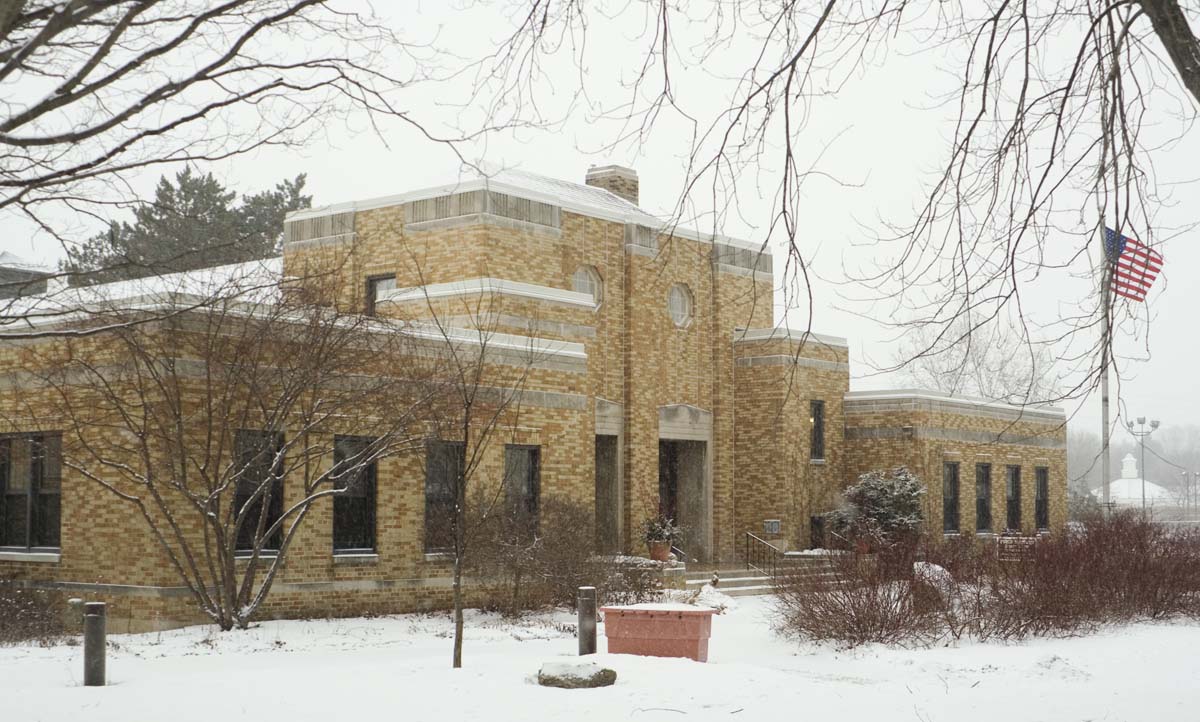
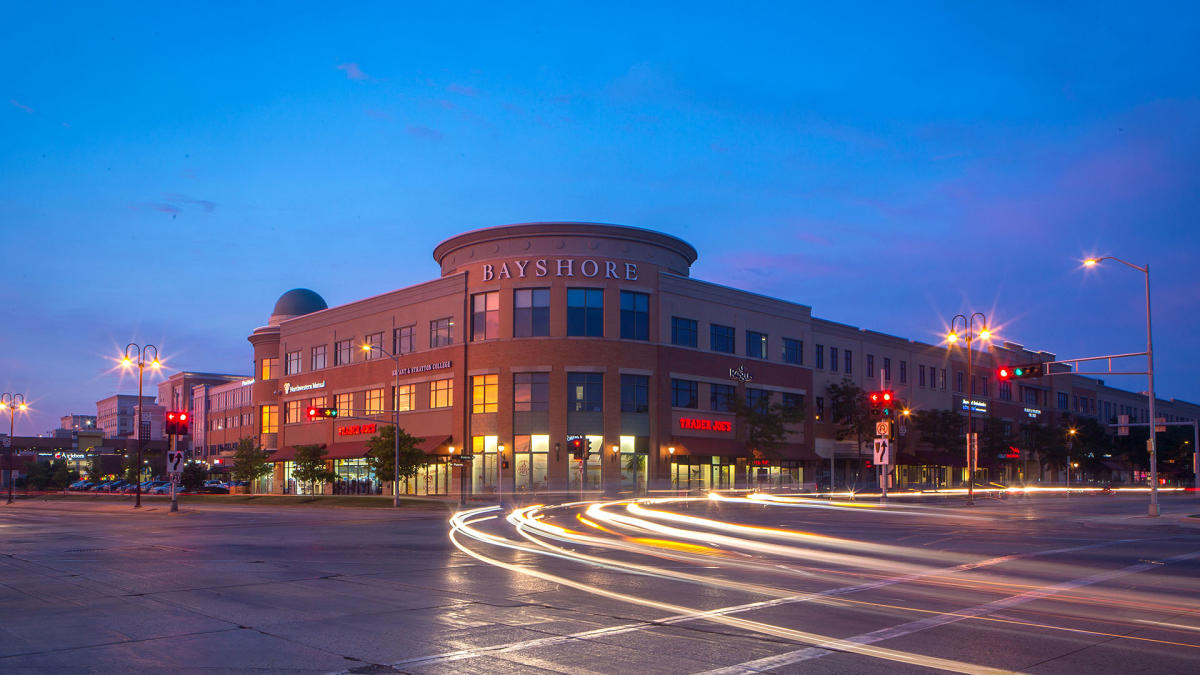
Waukesha carries the widest range of building stock in the western suburbs, from a historic Fox River downtown of century-old masonry buildings to a modern corporate campus anchoring the county's technology corridor, which gives investors more genuine choice than most other submarkets in this exchange.
From Fox River Masonry to Corporate Campus Construction
Downtown Waukesha's older commercial buildings along the Fox River were built with masonry bearing walls and timber or early steel framing, several converted over the decades from retail to office or mixed residential use, with roof and mechanical systems that typically need individual review rather than relying on any coordinated capital plan across the block.
The Waukesha County technology corridor, home to GE Healthcare's global campus, carries a completely different profile: large-footprint, post-1990 construction with high electrical capacity, clean-room-adjacent mechanical systems in some buildings, and structural specifications sized for manufacturing and testing equipment rather than general office use.
Business park industrial buildings scattered around the edges of the city split the difference between these two extremes, generally built from the 1980s and 1990s with tilt-up or masonry construction and clear heights modest by current standards, serving smaller regional tenants rather than the corridor's larger corporate users.
Property Categories an Investor Can Choose From
Because Waukesha's stock spans both eras, an identification list here can genuinely compare across very different building types.
- downtown masonry mixed-use along the Fox River
- corporate campus office and R&D space near the technology corridor
- medical office serving the ProHealth Waukesha Memorial campus
- retail along the Sunset Drive and Bluemound Road corridors
- business park industrial and flex buildings
We also separate candidates by whether they sit inside the city's historic downtown overlay district, since buildings under that designation can carry additional review requirements for exterior alterations that an investor should understand before assuming a straightforward renovation path.
Matching Systems Specification to Investor Goals
A technology corridor building's high electrical capacity and specialized mechanical systems only add value if a replacement tenant can actually use them, so we confirm what a building was specified for before recommending it as a passive, low-management replacement, since a highly specialized building can be harder to re-tenant than a simpler office or flex space.
Downtown masonry buildings need the opposite check: confirming roof, structural, and mechanical condition individually, since older Fox River corridor buildings rarely carry the kind of coordinated capital reserve documentation a corporate campus landlord maintains.
We also confirm whether a downtown building's structural upgrades, if any were made during a past conversion, were permitted and inspected at the time, since undocumented work can complicate both insurance underwriting and future resale even if the work itself was done competently.
Coordinating a Wide-Range Search
Because Waukesha's identification candidates can range from a century-old downtown building to a modern corporate campus asset, we keep the qualified intermediary, lender, insurer, and tax advisor working from a file that states clearly which category the investor is actually pursuing, so the 45-day window is spent narrowing a real short list rather than comparing incompatible property types against each other.
We also confirm which advisor on the team has final say if the investor needs to pivot between a downtown candidate and a corridor candidate late in the window, since the two property types require different underwriting paths and a late pivot works better when responsibility is assigned ahead of time.
Why County Seat Status Still Shapes Demand
Waukesha's role as the county seat, home to the courthouse and much of the county's government employment, keeps downtown office and retail demand steadier than in smaller surrounding communities, a factor we weigh against the technology corridor's more employer-concentrated demand when comparing replacement candidates.
Investors should also expect the courthouse and government corridor to support a more stable, if less dynamic, retail and office tenant base than the technology corridor, which tends to see faster turnover tied to the fortunes of its anchor employers.
Investors weighing a technology corridor purchase against a downtown building should also expect financing timelines to differ, since a lender already comfortable with the corridor's larger corporate tenants can sometimes move faster than one evaluating an older masonry building for the first time, a difference worth planning around before the 45-day window opens.
Common 1031 Exchange Questions
Should you compare downtown Waukesha buildings against technology corridor property directly?
We do compare them, but on different terms, since downtown buildings need individual condition review while corridor buildings need a check on whether their specialized systems fit a replacement tenant.
Does GE Healthcare's presence affect nearby office values?
It concentrates demand around the technology corridor specifically, which we factor in separately from downtown Waukesha's more government- and retail-driven demand.
How does courthouse and county government employment affect downtown Waukesha retail?
It provides steadier foot traffic than a typical small-city downtown, which we weigh when comparing downtown retail against corridor or business park alternatives.
Is a highly specialized technology corridor building a good passive replacement property?
Only if its systems still fit a realistic replacement tenant, since specialized mechanical and electrical capacity can make a building harder to re-tenant than simpler office or flex space.
Who reviews mechanical systems on a corporate campus building before identification?
A mechanical engineer familiar with the building's original tenant specification, working alongside the lender's inspector, before the qualified intermediary and tax advisor finalize the file.