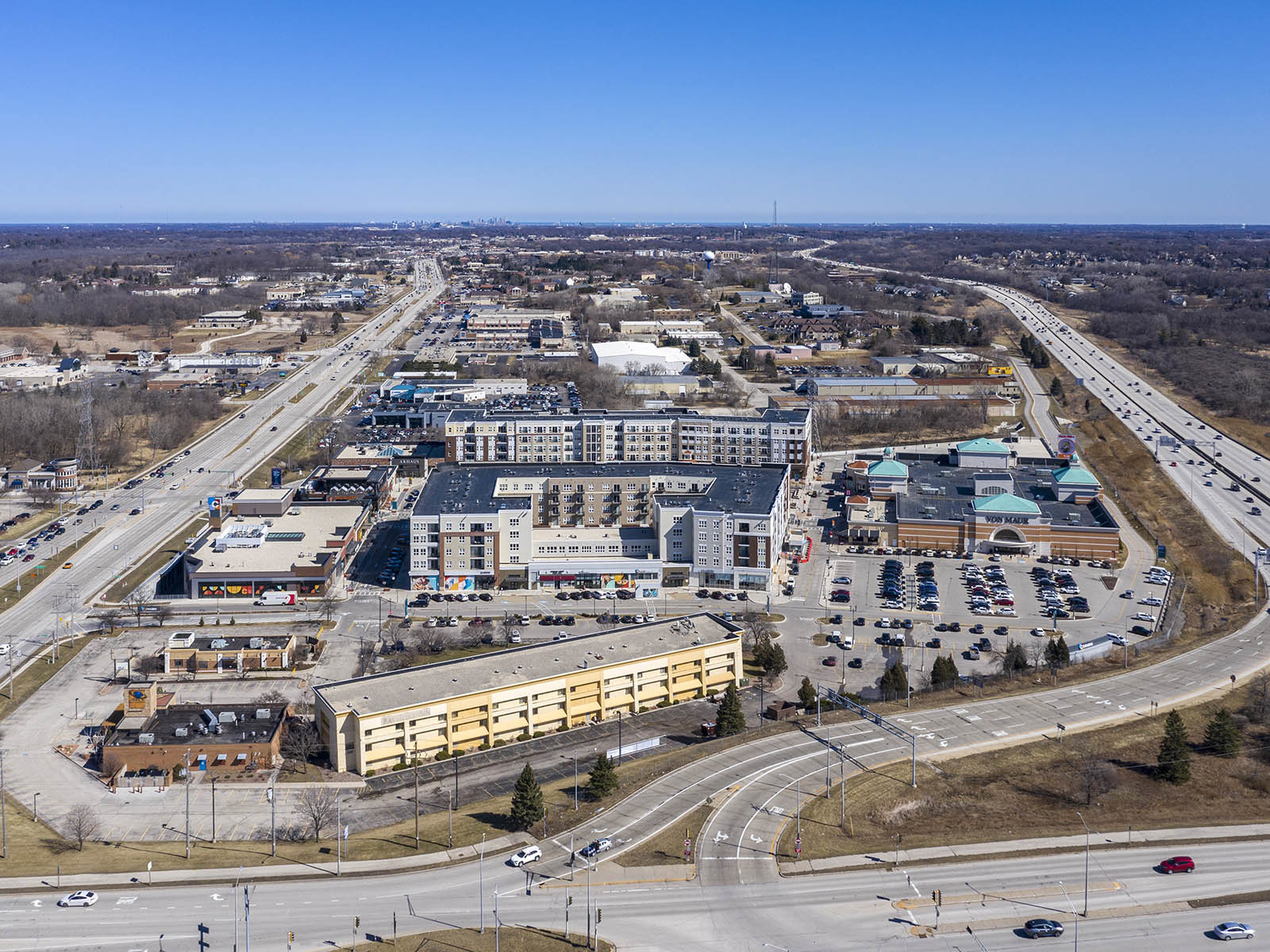
West Allis still carries the physical scale of the Allis-Chalmers manufacturing empire that once employed thousands here, a legacy of massive industrial buildings and brownfield parcels now working through redevelopment alongside the Wisconsin State Fair grounds that anchor the city's other major land use.
Allis-Chalmers Legacy Industrial Stock
The former Allis-Chalmers campus and surrounding parcels, much of it now part of the Reed Street Yards redevelopment area, includes clear-span buildings engineered for heavy machinery production, foundations poured for equipment loads well beyond ordinary manufacturing use, and soil conditions that require environmental review before any financing discussion begins in earnest.
A portion of the Reed Street Yards redevelopment has already been remediated and repositioned for light industrial and flex use, and where that closure documentation exists, it meaningfully shortens the environmental diligence a new buyer would otherwise need to complete from scratch.
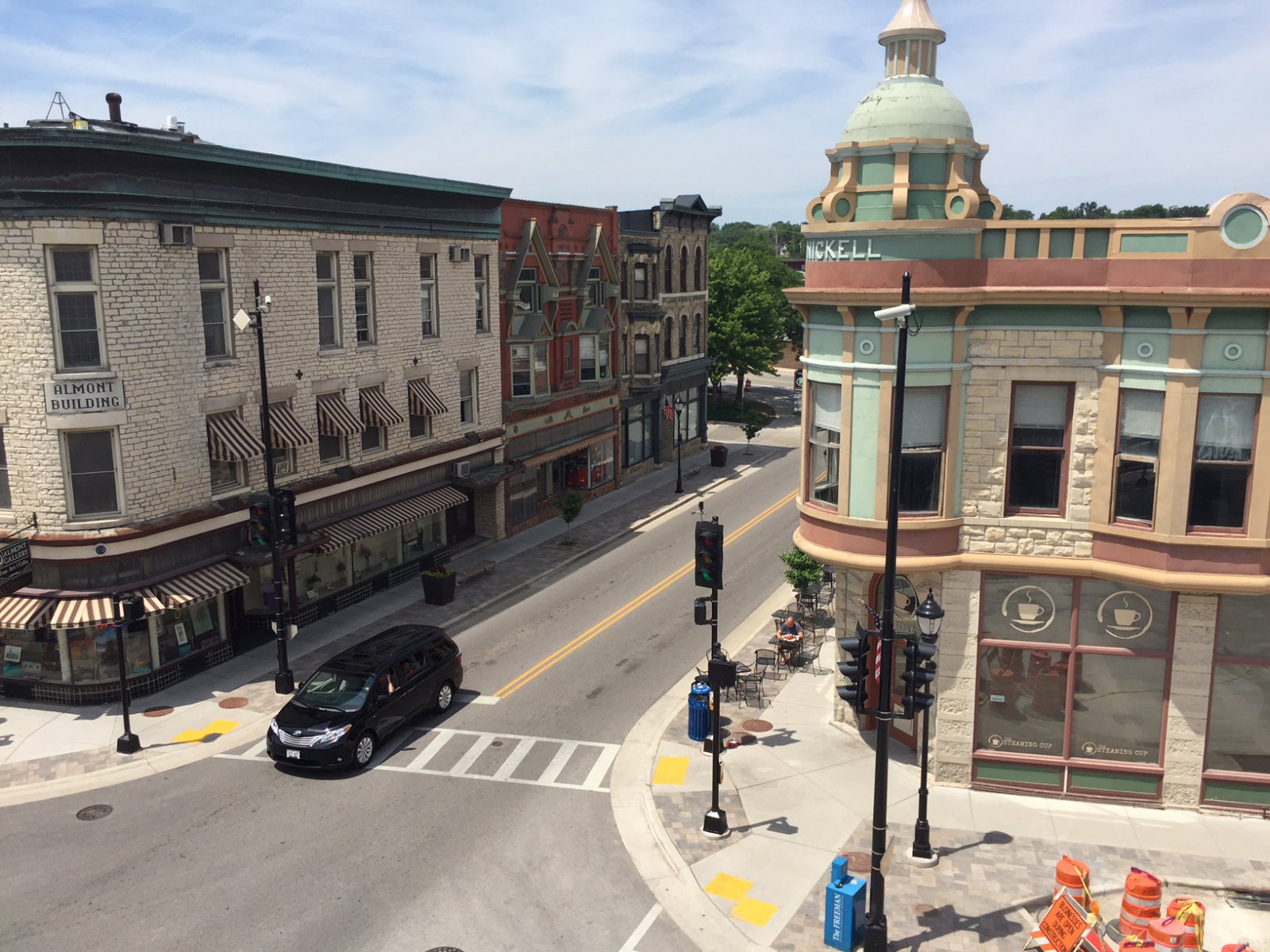
Away from that legacy footprint, National Avenue and Greenfield Avenue carry a more conventional commercial corridor of older two-story masonry mixed-use buildings, while State Fair Park itself, though not typically a tradable income property, shapes leasing demand for the smaller commercial buildings and short-term hospitality uses clustered around it during fair season.
Categories Available on a West Allis List
A West Allis identification list typically separates legacy industrial parcels from the more conventional commercial corridor stock nearby.
- redeveloped light industrial and flex buildings in the Reed Street Yards area
- older mixed-use along National Avenue and Greenfield Avenue
- small multifamily in the surrounding bungalow neighborhoods
- neighborhood retail serving fair-season and year-round demand
- brownfield-adjacent parcels with redevelopment potential
We also flag whether a candidate building sits within a tax increment financing district tied to the Reed Street Yards redevelopment, since properties inside that boundary can carry both additional reporting requirements and potential financing advantages that a building outside the district would not have access to. That distinction also affects resale timing, since incentive-linked properties sometimes carry compliance periods that a buyer needs to understand before treating an early resale as straightforward.
Environmental Review on Redeveloped Industrial Sites
Any parcel within or adjacent to the former Allis-Chalmers footprint should be assessed for soil and groundwater conditions before it goes on a written identification, since remediation status directly affects what a lender will finance and what timeline that financing can close within before the 180-day exchange period runs out.
Commercial buildings along National Avenue and Greenfield Avenue generally clear a standard property condition report without that added step, keeping their diligence path considerably shorter than a legacy industrial parcel's.
We also confirm whether a National Avenue commercial building's structural upgrades, if any, were completed under permit, since older masonry buildings along this corridor have sometimes been modified without full documentation over multiple ownership changes.
Coordinating a Redevelopment-Area Purchase
When a West Allis identification touches the Reed Street Yards redevelopment area, we bring an environmental consultant into the file early alongside the qualified intermediary, lender, and tax advisor, since remediation status and municipal redevelopment agreements can both affect closing timeline in ways a standard property purchase does not.
We also confirm which party is responsible for tracking any tax increment financing compliance deadlines tied to a candidate property, since those deadlines run independently of the exchange clock and can affect financing terms if they are missed or misunderstood.
How State Fair Park Shapes Nearby Demand
Commercial buildings near State Fair Park see a seasonal demand pattern tied to the annual fair and other exposition events that a similar building elsewhere in the west metro would not experience, a factor we account for when comparing income stability across replacement candidates.
Investors should also expect State Fair Park's seasonal effect to matter most for smaller retail and hospitality-adjacent buildings nearby, while it has little bearing on industrial or multifamily properties elsewhere in the city, a distinction worth separating out when comparing income stability across candidates. Financing timelines on redevelopment-area parcels also tend to run longer than on stabilized National Avenue commercial buildings, since municipal agreements and remediation sign-offs both add steps a standard property purchase does not require, a difference worth planning around before the 45-day window opens.
Common 1031 Exchange Questions
Does property in the Reed Street Yards area need environmental review before identification?
Yes, any parcel connected to the former Allis-Chalmers footprint should get a soil and groundwater assessment before it goes on the written list, since remediation status affects financing timeline directly.
Are National Avenue commercial buildings a simpler replacement option than redevelopment-area industrial?
Generally yes, since they typically clear a standard property condition report without the environmental step legacy industrial parcels require.
How does State Fair Park affect nearby commercial demand?
It creates a seasonal demand pattern around the annual fair and other events, which we factor into income stability comparisons for nearby replacement candidates.
Can a brownfield-adjacent parcel still work as a 1031 replacement property?
It can, once remediation status and municipal redevelopment agreements are confirmed, though we recommend building extra time into the review for that confirmation, since agency sign-off does not always move on the same schedule as the exchange clock.
Who should be involved before identifying a former industrial parcel here?
An environmental consultant and the lender's inspector, working with your qualified intermediary and tax advisor, before any written identification names that parcel, so remediation and financing questions are both answered before the deadline.