South Milwaukee still carries the physical footprint of the Bucyrus mining-equipment campus that anchored the city's economy for most of the twentieth century, a scale of heavy industrial building that dwarfs almost everything else on a South Milwaukee identification list.
Heavy Manufacturing Scale Left by Bucyrus
The former Bucyrus campus along the lakefront includes clear-span assembly buildings engineered for overhead crane systems and equipment loads well beyond ordinary industrial use, foundations poured for heavy machining equipment, and rail spur access that most other buildings in the south metro no longer have. Portions of that campus have gone through partial reuse and partial demolition over the years, and any parcel touching that history should get an environmental Phase I review before it goes on a written identification.
Portions of the Bucyrus site have been through documented remediation work over time, and where that work has been completed and closed out with regulatory sign-off, the closure documentation itself becomes an important piece of diligence, since it can shorten what would otherwise be a lengthy new environmental review.
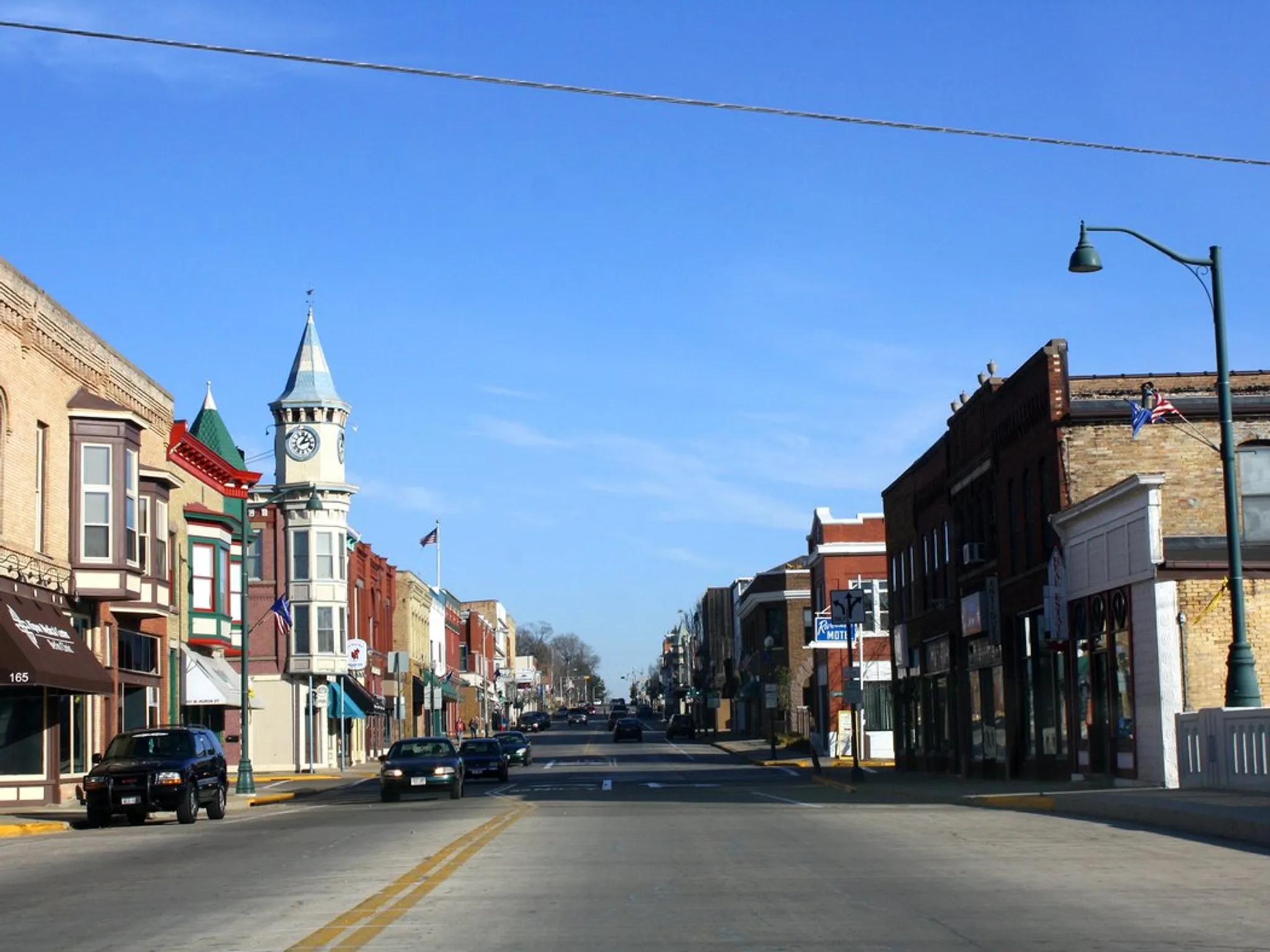
Away from the old Bucyrus footprint, Milwaukee Avenue carries a small, walkable downtown of older two-story masonry buildings, built for a blue-collar retail base rather than the regional draw a bigger downtown would pull, with roof and mechanical systems typically replaced piecemeal rather than on any coordinated schedule.
Categories on a South Milwaukee List
Given the split between legacy heavy industry and a small local downtown, a South Milwaukee identification list draws from a narrow range of property types.
- smaller light industrial buildings separate from the old heavy-manufacturing campus
- older two-story mixed-use along Milwaukee Avenue
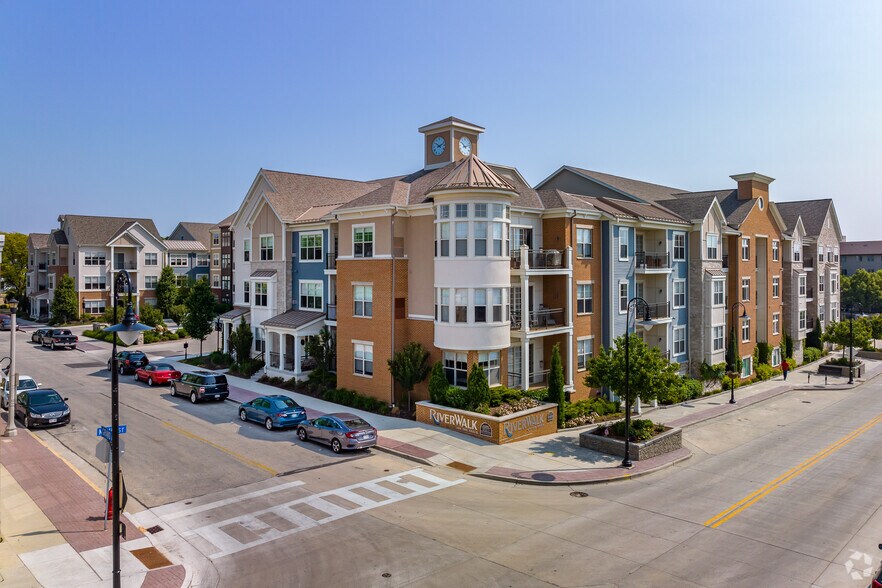
- small multifamily in the surrounding bungalow neighborhoods
- neighborhood retail serving the local resident base
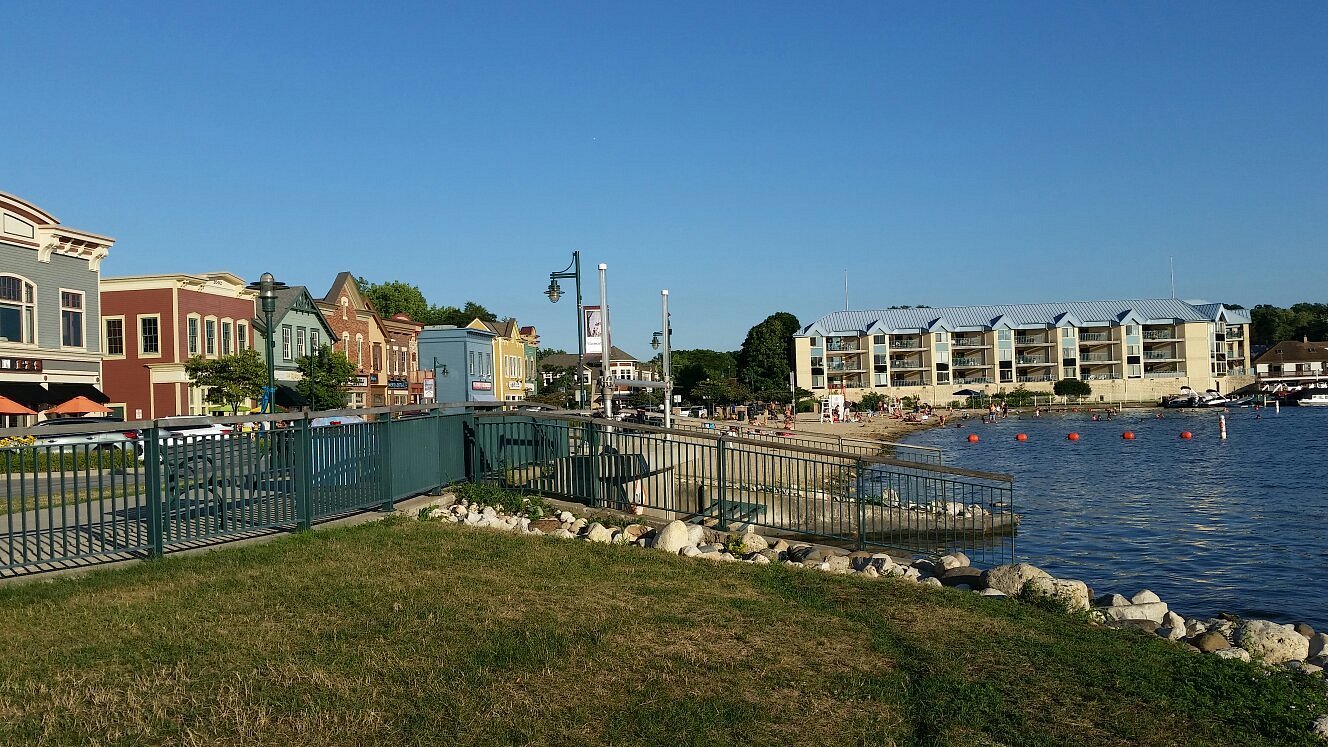
- lakefront-adjacent parcels with redevelopment potential
We also flag whether a candidate building sits within the footprint the city has targeted for future redevelopment incentives, since properties inside that boundary can carry different financing and tax considerations than similar buildings just outside it.
Environmental Review on Legacy Industrial Parcels
Any building or land parcel connected to the former heavy-manufacturing campus should be assessed for soil and groundwater conditions before financing terms are discussed, since a lender will require that review regardless and finding a problem after the 45-day window closes leaves the investor with no time to substitute a different property.
Smaller industrial and commercial buildings away from that footprint usually clear a standard property condition report without the added environmental step, which keeps their diligence timeline considerably shorter.
We also confirm whether any remaining rail spur infrastructure on a legacy parcel is still active or has been formally abandoned, since an active spur can add value for a rail-served tenant while an abandoned one may carry removal or liability questions a buyer should understand before closing.
Coordinating a Legacy-Site Purchase
When a South Milwaukee identification includes a parcel touching the old heavy-industrial footprint, we bring an environmental consultant into the file alongside the qualified intermediary, lender, and tax advisor from the start, rather than waiting for the lender's own review to surface a question that could have been answered inside the 45-day window.
We also confirm which party on the closing team is responsible for tracking environmental agency response times, since remediation-related sign-offs do not always move on a predictable schedule, and a clear owner for that follow-up keeps the file from stalling quietly while everyone assumes someone else is handling it.
Why Scale Sets This Market Apart
Investors comparing South Milwaukee against other south-suburban markets should understand that its available heavy industrial stock is unusually large relative to the size of the city itself, a legacy of one company's manufacturing footprint rather than a broad industrial base, which limits how many truly comparable buildings exist here.
Because so much of the available heavy industrial floor area here traces back to one manufacturing history, we also encourage investors to compare pricing against similar legacy sites in other Rust Belt cities rather than against typical Milwaukee-metro industrial product, since the two categories do not really behave the same way in the market. That comparison also shapes how we set pricing expectations with the investor before the search begins in earnest.
Common 1031 Exchange Questions
Does property near the old Bucyrus site need environmental review before identification?
Yes, any parcel connected to that manufacturing history should get a Phase I review before it goes on the written list, since a lender will require one and problems found late leave no room to substitute another property.
Are there smaller industrial buildings in South Milwaukee separate from the legacy campus?
Yes, and those buildings generally clear a standard property condition report without the environmental step the larger legacy parcels require.
How does the lakefront location affect redevelopment parcels here?
Lakefront-adjacent land can carry redevelopment appeal, but we still confirm environmental status and zoning before treating it as a straightforward income-property replacement.
Is Milwaukee Avenue retail a realistic replacement category?
It can be, for investors comfortable with a smaller local tenant base, though we confirm mechanical and roof condition individually since upgrades here are rarely done on a coordinated schedule.
Who should be involved before identifying a legacy industrial parcel?
An environmental consultant and the lender's inspector, working alongside your qualified intermediary and tax advisor, before any written identification names that parcel, so remediation status is settled before the 45-day clock runs out.