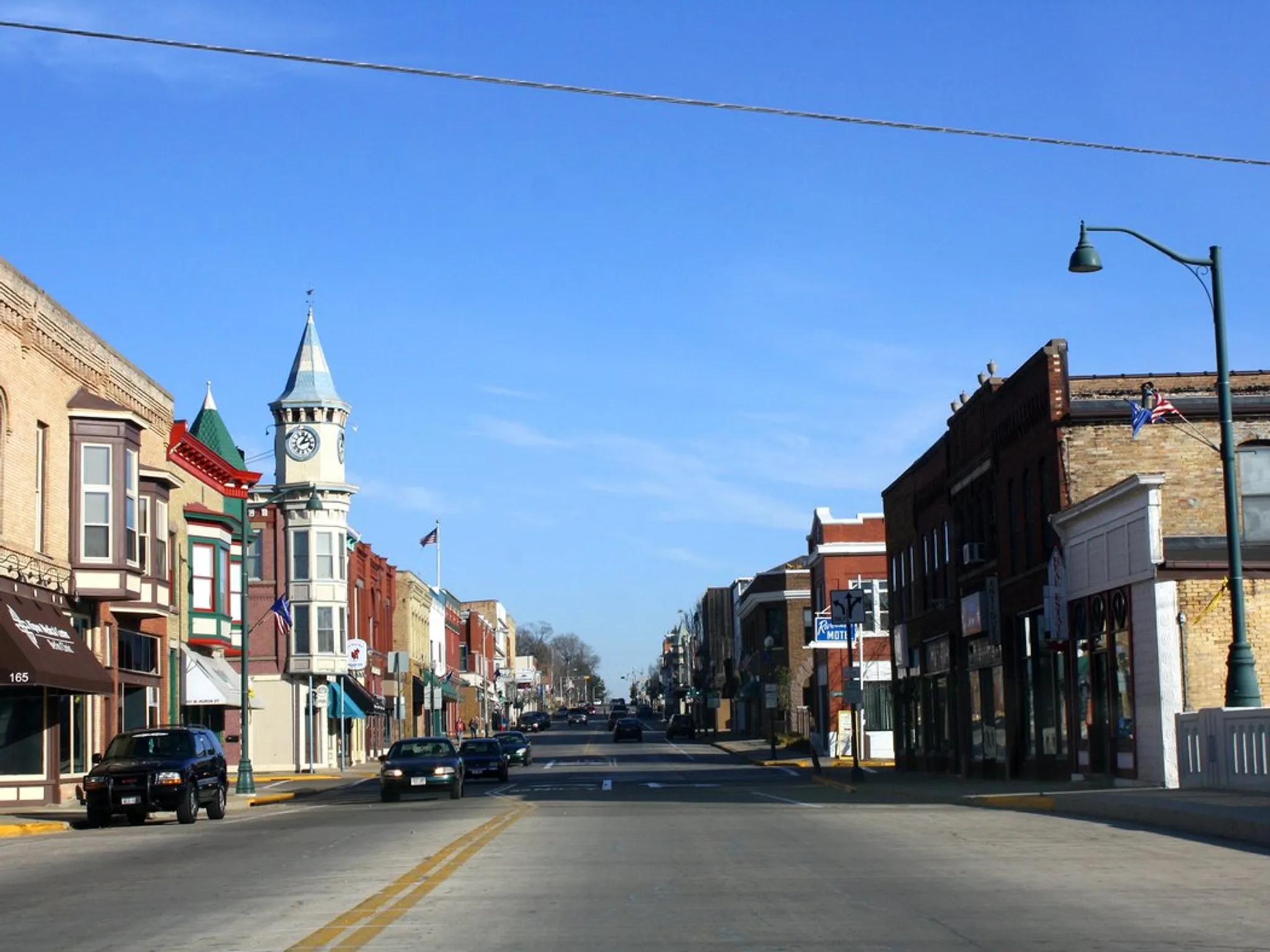
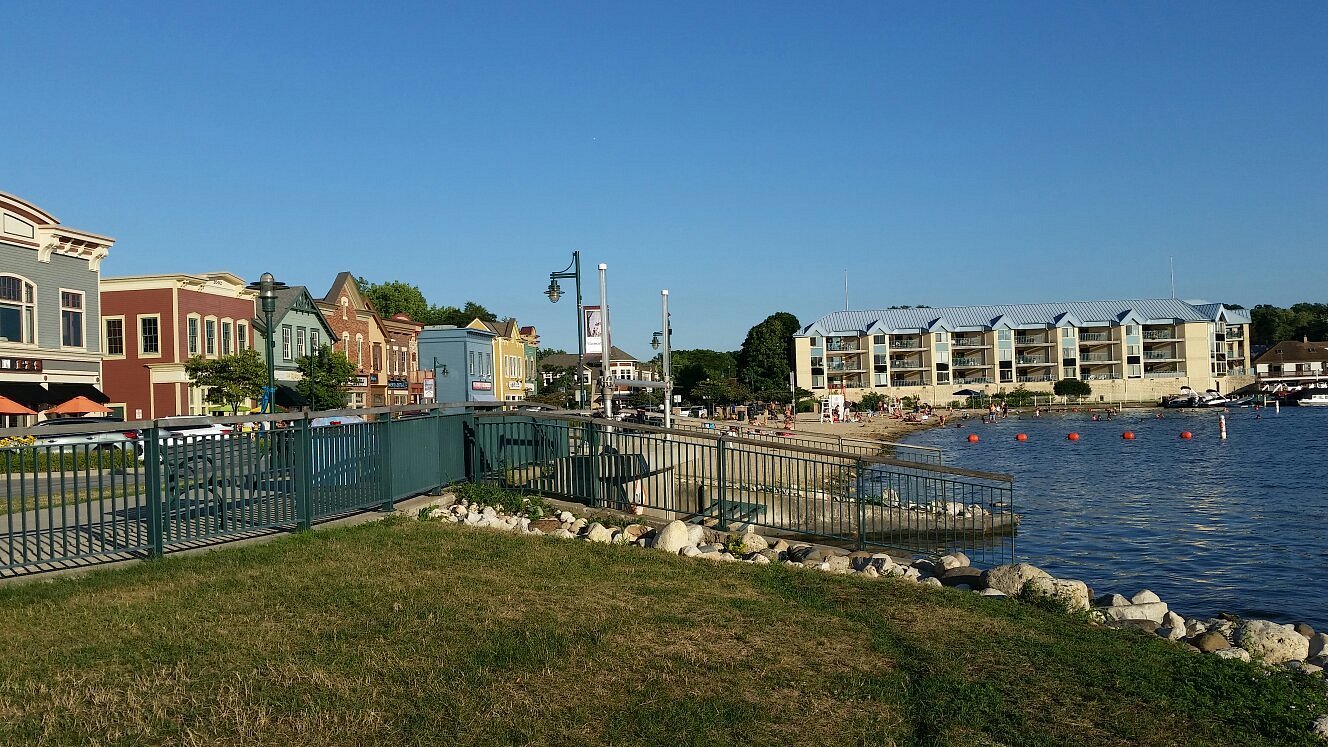
Cudahy sits along the lakefront south of Milwaukee, built up around the meatpacking and manufacturing operations that gave the city its name, and much of its commercial building stock still reflects that history. An exchange out of Cudahy property usually means dealing with an older industrial or mixed-use building whose structural and mechanical systems need an honest look before a replacement search narrows.
Packard Avenue and Cudahy's Industrial Legacy
Packard Avenue and the blocks around it carry Cudahy's neighborhood commercial activity, with brick storefronts, small rental buildings, and, further from the corridor, low-rise industrial buildings originally built for meatpacking and light manufacturing. Many of these industrial structures use heavy timber or steel bar-joist roof framing with built-up roofing that has been recoated multiple times rather than replaced.
Proximity to General Mitchell International Airport and the lakefront gives Cudahy industrial property a logistics advantage that some replacement buyers value, but it also means a seller should have current information on floor loading, clear height, and dock configuration, since those specifications determine which tenants a building can serve and how a lender will underwrite it.
The Asset Mix Near the Lakefront and Airport
Cudahy owners exchanging out of legacy property typically compare it against a narrow band of candidates:
- small-bay industrial buildings with older bar-joist roofs
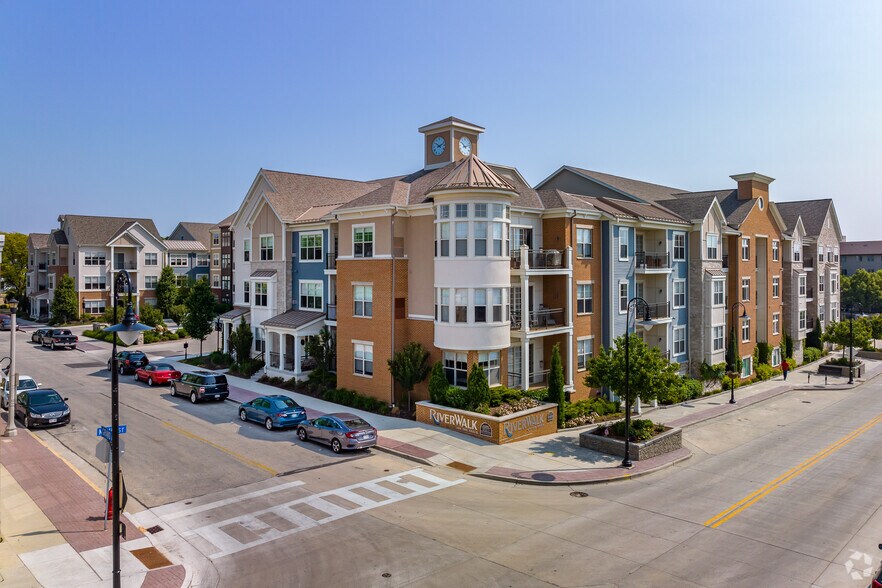
- rental housing duplexes and small apartment buildings
- neighborhood retail storefronts
- airport-adjacent flex or warehouse space
- single-tenant service buildings with yard or outdoor storage
Each of these carries a different tenant profile and a different maintenance burden, and a Cudahy seller should weigh that against the passive income goals driving the exchange rather than assuming any industrial replacement will behave the same as the relinquished building.
Structural Questions on Older Industrial Buildings
Before naming a Cudahy industrial building as relinquished or replacement property, a seller's team should confirm roof deck type, insulation R-value if known, and whether the structural bay spacing supports modern racking or heavier equipment loads. Older meatpacking-era buildings sometimes have reinforced floor slabs from refrigeration or processing use, which can be an asset for certain tenants and a limitation for others.
None of this changes whether the property qualifies as like-kind real estate under the exchange rules, but it shapes what a lender will finance and what rent a replacement tenant will pay, both of which matter more in an older industrial building than in newer suburban stock.
Boot Exposure and Financing for Legacy Industrial Property
Cudahy industrial buildings often carry lower per-square-foot values than comparable suburban space, which can leave a seller with more net proceeds than a single replacement property absorbs. Any proceeds not reinvested, and any reduction in debt not offset with additional cash, are generally treated as boot and can trigger taxable gain even when most of the exchange qualifies. Confirming payoff figures and reinvestment targets with the qualified intermediary early avoids that outcome.
A seller who ends up with excess proceeds after one Cudahy candidate falls short of absorbing the full sale price should treat that as a reason to identify a second or third property rather than force the numbers to fit a single building. Splitting the reinvestment across a legacy industrial building and a smaller rental housing asset is a common approach for owners exiting Cudahy property with proceeds larger than any one nearby candidate can use.
Handoff Notes for Airport-Adjacent Replacement Candidates
A Cudahy exchange file should document the relinquished building's known structural condition, the reason airport or lakefront proximity matters to the investor's strategy, and which replacement candidates have been physically inspected versus reviewed on paper only. Handing that record to the CPA, qualified intermediary, and any lender together keeps the file consistent if a preferred candidate falls through before the 180-day closing deadline.
Because Cudahy's industrial buildings vary widely in construction era from block to block, a seller should have a contractor walk any serious candidate before it is named on the identification list, checking roof deck condition, structural bay spacing, and any visible signs of prior refrigeration or processing use that could affect floor slab integrity. That walk-through, documented in writing, gives the lender a starting point that speeds up the property condition assessment once the replacement purchase moves toward contract.
Common 1031 Exchange Questions
Does a Cudahy industrial building's age disqualify it from a 1031 exchange?
No. Age and condition do not affect like-kind eligibility for real property. They do affect financing terms, insurance cost, and achievable rent, so a Cudahy seller should document known structural and mechanical issues before identification rather than leaving them for a lender to discover.
Can a Cudahy owner exchange industrial property for rental housing?
Yes, as long as both properties are held for investment or business use, the exchange can move between asset classes such as industrial and residential rental property. A tax advisor should confirm treatment for the investor's specific structure and holding period.
What happens if sale proceeds from a Cudahy property exceed the replacement purchase price?
Any proceeds not reinvested in the replacement property are generally treated as boot and can create taxable gain, even if the overall exchange otherwise qualifies. Reviewing the numbers with a qualified intermediary before closing helps size the replacement search correctly.
How does floor loading affect a Cudahy industrial exchange?
Floor loading does not affect exchange eligibility, but it affects which tenants a replacement building can serve and how a lender values it. Confirming known slab capacity, especially in older meatpacking-era buildings, helps set realistic expectations before identification.
What is the deadline to identify replacement property after selling in Cudahy?
An investor has 45 days from the closing of the relinquished Cudahy property to submit a written identification to the qualified intermediary, and 180 days total to close on the replacement purchase, with both periods running concurrently.